Sustainability
Sustainability
Sustainability
Reduce, Repair, Reimagine
Reduce, Repair, Reimagine
Sustainability
Small Changes, Big Impacts
Sustainability is a core tenet of my design ethos; I’ve seen how even the smallest change can have a substantial effect at scale. As such, I actively advance and advocate for green initiatives across development cycles, whether through my standard UX duties (optimizing power consumption) or volunteer collaboration on eco-focused efforts (making product repairability more approachable).
LED Power Consumption Reduction
Overview | Opportunity
My horizontal visibility into all hardware product areas at Google provides me the unique vantage to identify trends and champion opportunities for holistic improvements. In evaluating the necessity of various LED states, I discovered one that was superfluous, highly energy consumptive, and persistent across our hardware ecosystem.
Role
Lead UX Designer | Device Interaction Design
Cross-Functional Alignment, User Flows, User Research, Prototyping & Testing, LED Calibration
ENERGY SAVINGS
During development of the Nest Wifi Pro, I identified how unnecessary the "Sign of Life" LED state was to ours CUJs and its conflict with our established principle of surfacing visual affordances only when needed. I investigated making the LED be OFF by default and validated my proposal with Engineering, UX Research, and PM teams before championing the systemic change to Design leadership for approval and implementation.

This simple adjustment…
Simplified LED pattern mental mapping
Reduced in-home light pollution
Saved approximately ~1.5-2% of idle energy consumption
The seemingly “negligible” energy savings per individual unit/user became significant across millions of units.

Values are best-case estimates made during development.
The successful energy-saving and UX optimizations on the Nest Wifi Pro allowed me to champion similar initiatives for other Nest/Google devices in development. While the Google TV Streamer (4K) required an always-on Idle LED state due to its technical and interaction objectives, the now established value of LED optimization helped secure full UXR and Engineering backing for a focused re-examination of the minimum required brightness for Idle mode. Again, finding the line between power efficiency and UX needs resulted in notable energy savings.


Values are best-case estimates made during development.
IMPACT
User research highlights the more purposeful, sparing use of LEDs enhances the clarity and impact of necessary light states on top of reducing idle power consumption. Attention and perception accuracy increased as sensory overstimulation decreased, further validating the shift from an always-on “Sign of Life” mentality.
This effort also spurred the reexamination of all animation patterns themselves – in close collaboration with Software Engineering – to identify additional opportunities for “micro” energy savings.
“An obvious, easy win that we somehow overlooked for too long”
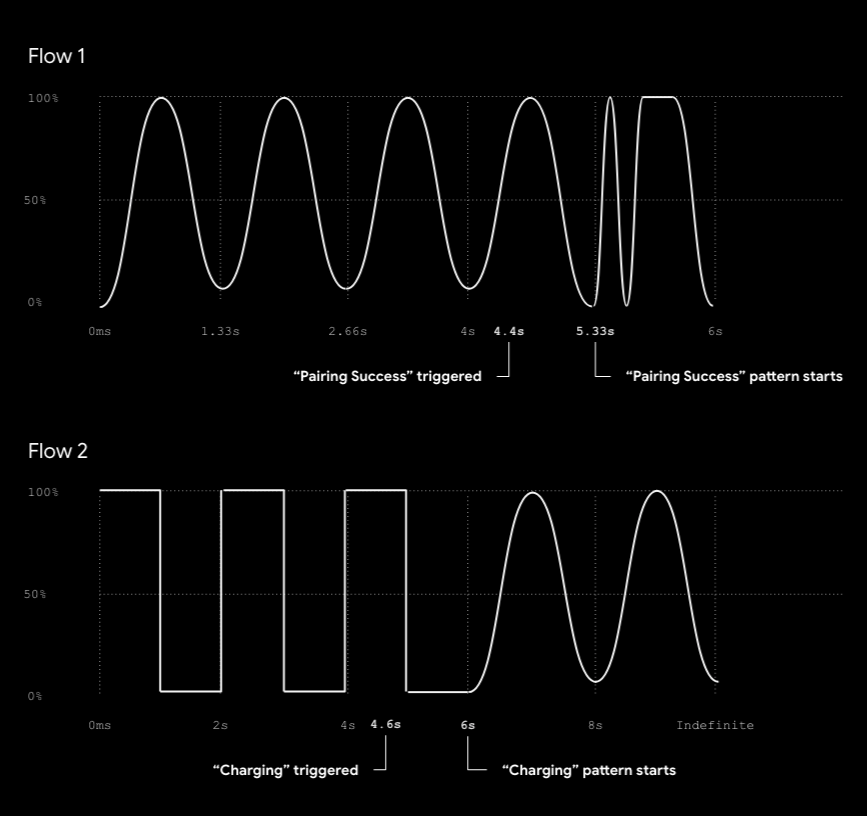
On a personal note, with so few opportunities for UX designers to have meaningful environmental impact, I’m very proud to have discovered and capitalized on this chance.
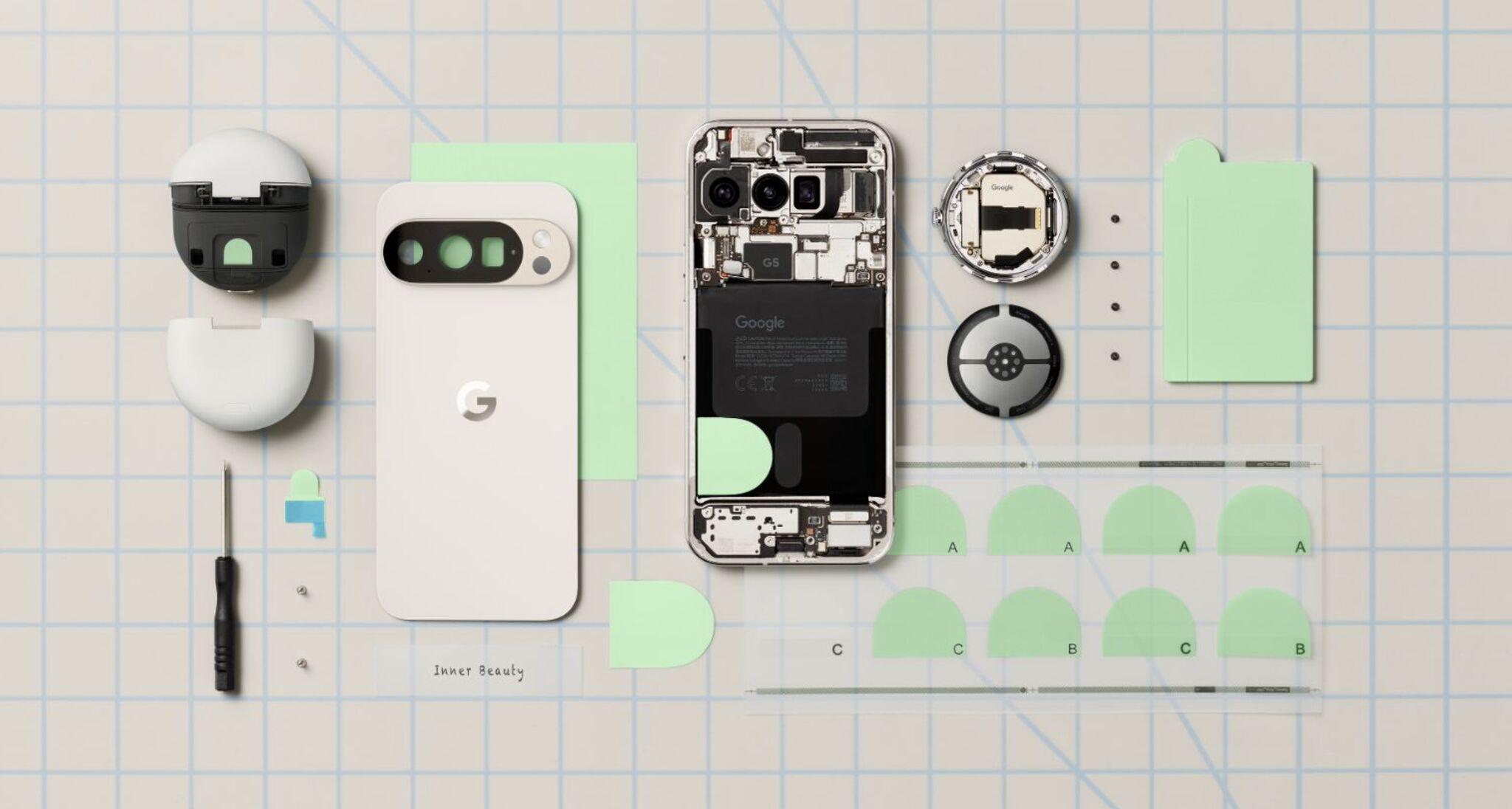
Novice Repair Journey
Overview | Problem
Google hardware repair (as with most modern technology) is perceived as overly complex and requires a prohibitive baseline of technical knowledge, deterring novice users. Our existing repair guides often worsen this perception by focusing too heavily on component intricacies for professional repair techs, which unintentionally suggests intentional complication on our part. To match Google’s ongoing technical efforts to improve repairability, the repair experience and our guidance around it need to be made approachable for all users.
Role
UX Interaction Designer | Product Repair Flows
Project Management, User Research, UI Design, Prototyping & Testing
Project nearing completion
Click below to see more details
IMPACT
“By far, it’s the most preferred method of repair instruction.”