Three custom, hardware-tailored smartwatch interfaces
Fossil GUIs
Fossil GUIs
Fossil GUIs
Fossil GUIs
Physical Constraints to Digital Innovation
I believe the best digital experiences are built with an intimate understanding of the hardware they live on. By understanding the interplay between hardware and software, I translated complex technical requirements and constraints into intuitive, device-specific interfaces that push the boundaries of standard UX.
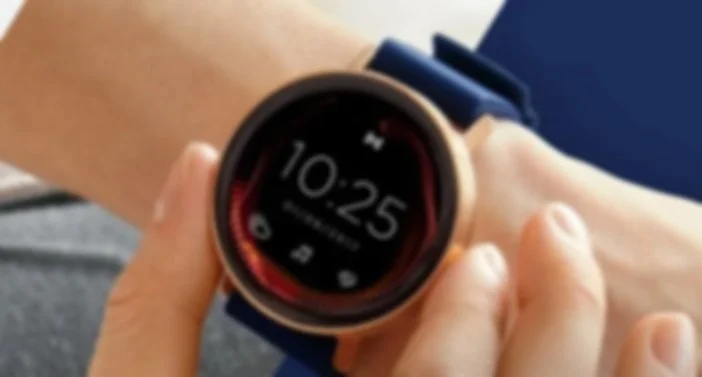
Vapor
Three custom, hardware-tailored smartwatch interfaces
Overview | Problem
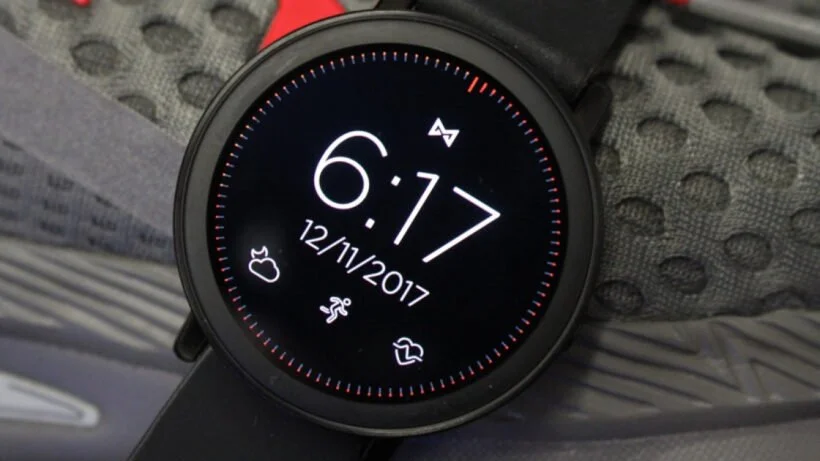
After the acquisition by Fossil, Misfit’s desire to create a smartwatch that embodied its core design principles – aesthetic minimalism and elevation of tech towards fashion – stood in direct conflict with the hardware requirements and market UI trends.
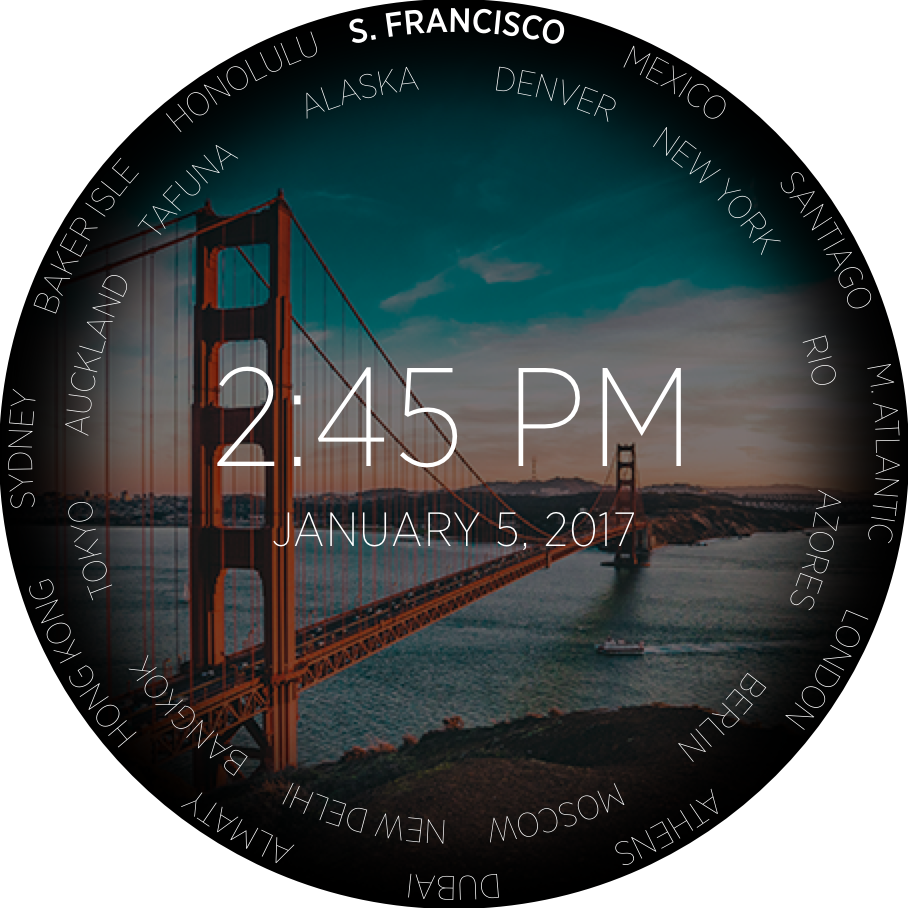
I partnered with Engineering to understand and navigate the technical limitations, ultimately utilizing the “dead space” around the screen edge to create a more intuitive and forgiving system-wide touch interface that broke away from standard, linear UI patterns.
Role
Lead UX Designer | Physical Interactions & Navigation
User Flows, Wireframes, Prototyping & Testing, UI Design, Industrial Design
CHALLENGES
Personal: No prior experience leading a project or designing for circular displays, smartwatch apps, or full GUIs
Marketing: Highlight the new AMOLED display, downplay the large display border
UX: Create a full suite of smartwatch apps with a small UX team
UX: Rethink traditional swipe and crown-twist navigation for a circular display
ID: Visually elevate the “dead space” screen edge, emphasizing it’s functionality
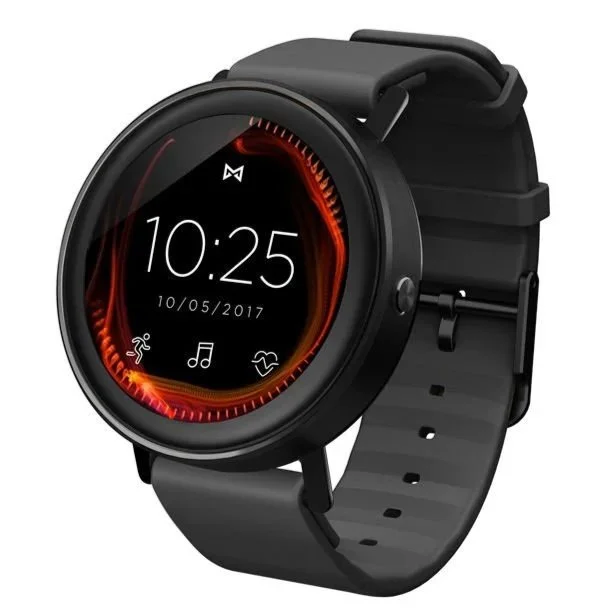
APPROACH
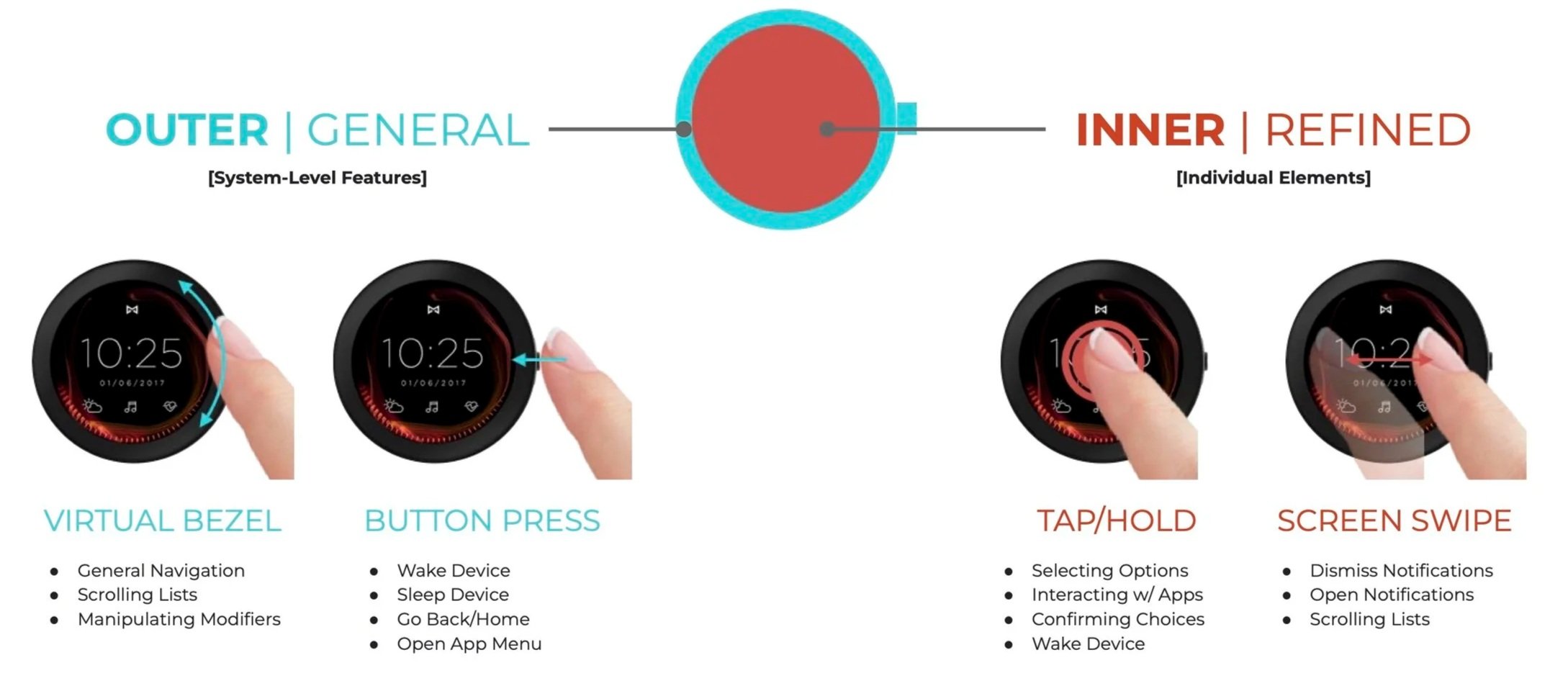
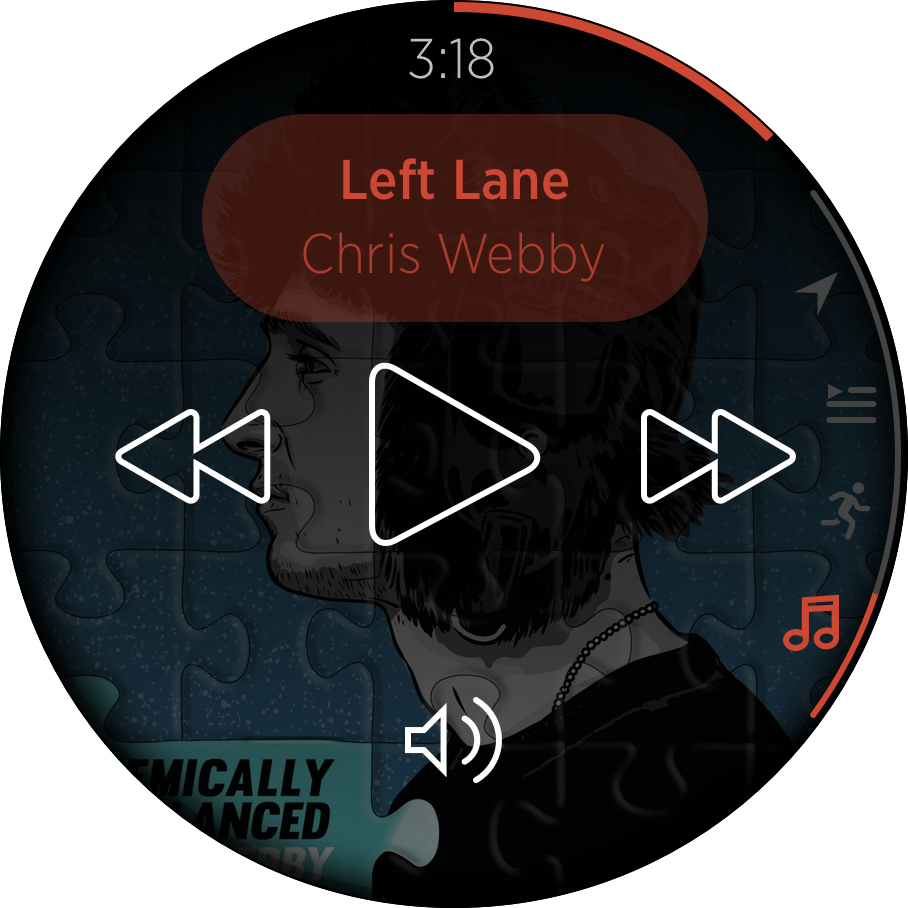
First and foremost was understanding how best to take advantage of the “dead space,” dedicating two months to exploring all possibilities and defining the limits of technical feasibility. After validating the desired touch fidelity, I focused on designing an intuitive interaction system that allowed for both broad and precise control. Mapping the controls typically assigned to rotating crowns to the virtual bezel improved navigation speed and simplified the hardware.
By approaching this effort as a blank canvas with no predetermined operating system to adhere to, I was not anchored down by many of the trappings that other early, linear smartwatch GUI’s experienced. This enabled not just a fresh aesthetic approach compared to our competition, but also the immersive circular UX that embraced the form and extended to every aspect of the device.
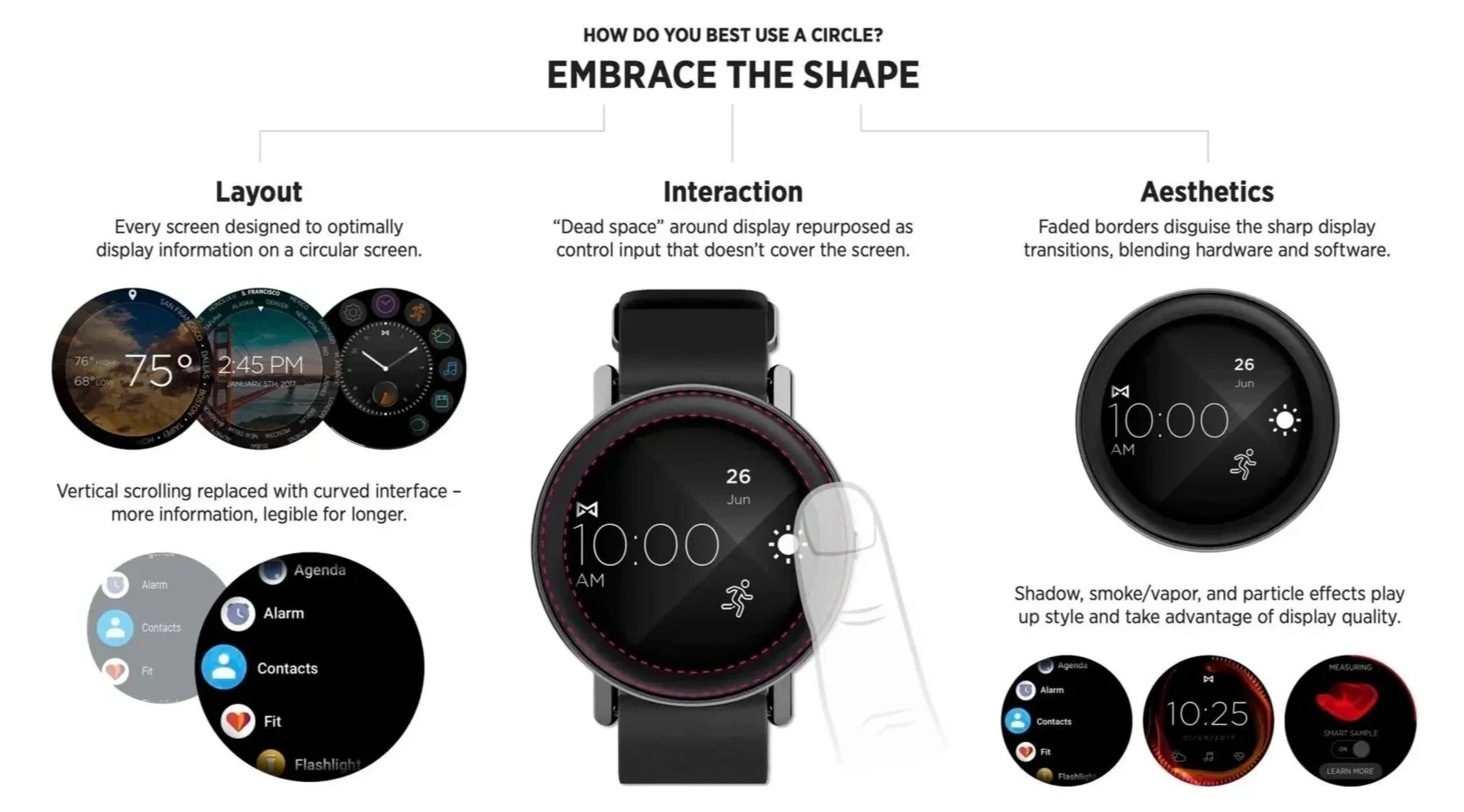
In order to make the entire interface cohesive and immediately comprehensible, every single app and settings screen was built from scratch to take advantage of the circular display. Before final graphics could be explored and implemented, a consistent framework needed to be established to support all interactions, data/information, and animations any app might support, requiring months of wireframing and testing with Engineering to get right.



IMPACT
After winning 6 “Best of Show” awards at CES 2017 and being touted as a “credible threat” to Android Wear, Google struck a deal to merge the two interfaces to create Wear OS and give Fossil Group creative input on future development. Numerous features – particularly the curved menu navigation – are still defining elements of Wear OS.
“A credible threat to Android Wear”
Hybrid HR
Overview | Opportunity
To advance Fossil’s E-ink hybrid category, I led a comprehensive GUI redesign to address the usability gaps of the first-generation release in tandem with a fully reimagined companion app.
Listening to user feedback, benchmarking against our competitors, and taking learnings from work on Vapor and subsequent touchscreen smartwatch platforms, I focused on building out a more affordance-driven framework.
Role
Lead UX Designer | Physical Interactions & System Architecture / Navigation
UI Design, User Flows, Wireframes, Prototyping & Testing, User Research
CHALLENGES
Technical: Embrace E-ink’s low pixel fidelity, slow refresh rate, and black & white color
UX: Improve UI navigation with physical limitations (e.g. screen size, control method) in mind
UX: Support new and maintain current watch features without compromise
Strategic: Develop in tandem with a new companion smartphone app
APPROACH
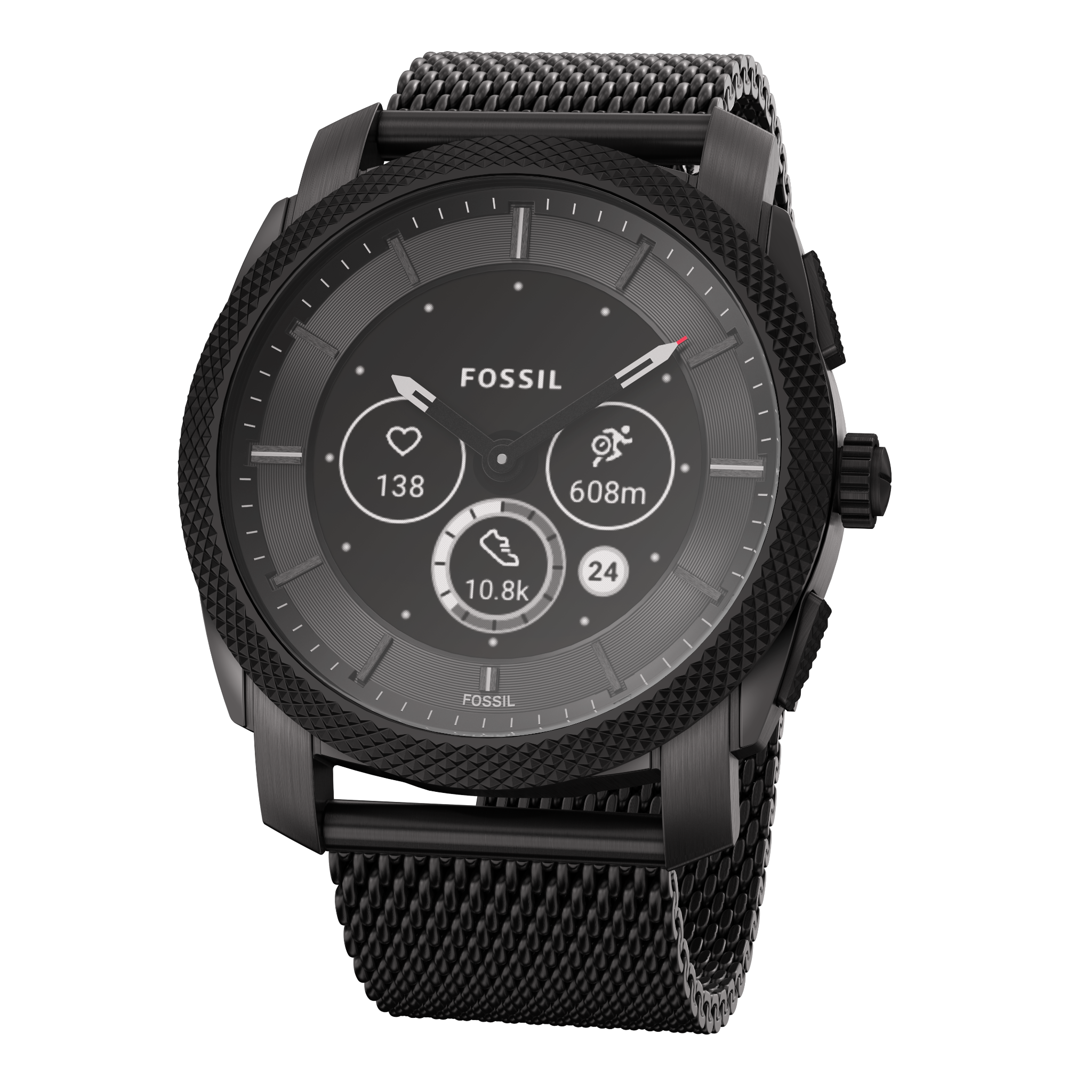
With the lessons established and reinforced by Vapor, I first set to holistically redesign the UI to embrace the circular form. This is best exemplified by the app launcher redesign: by replacing the horizontal list with a more contextually visible icon layout aligned to the hour indicators, I utilized the physical watch hands as secondary active UI navigators, creating a more cohesive and sophisticated interaction model.
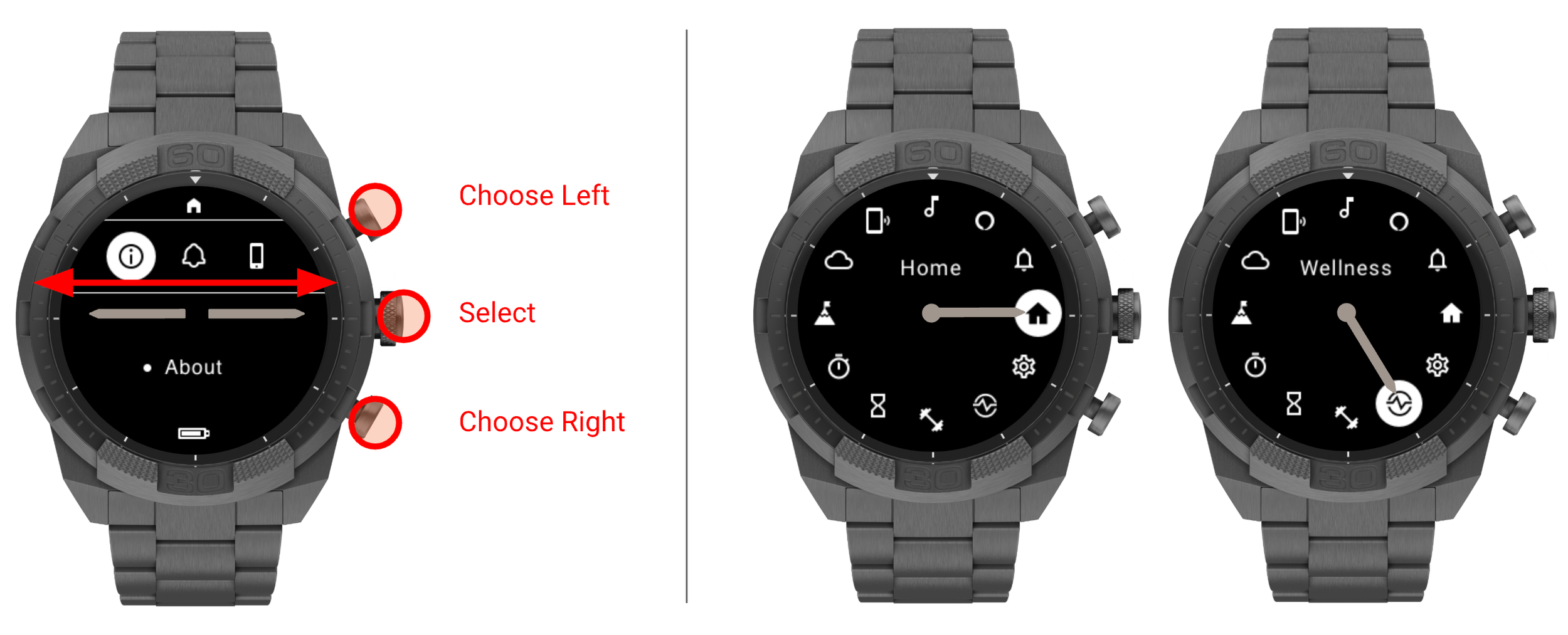
Noting the interaction discrepancy, I made sure the visual and navigational overhaul also aligned physical inputs with digital feedback. By implementing contextual UI markers next to hardware buttons, I maximized screen real estate while improving function comprehension and discoverability. Additionally, I standardized the center crown as a universal 'Home' button, directly addressing user feedback regarding menu fatigue and navigation traps.
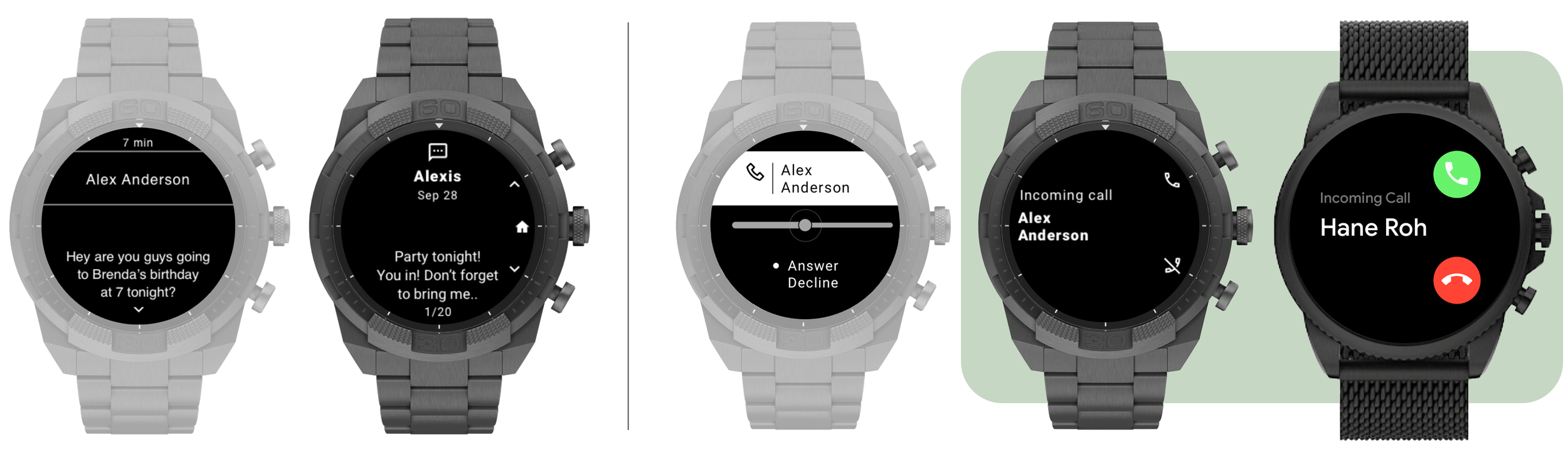
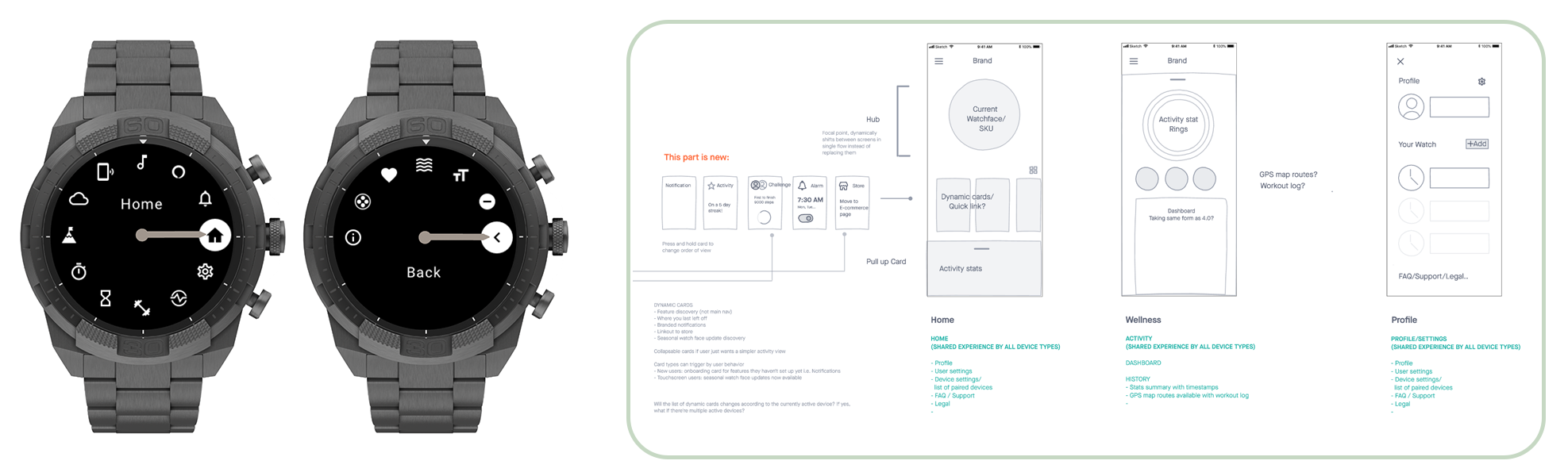
To ensure an approachable UI, I partnered with Software Engineering to enforce a strict two-level navigation hierarchy. By leveraging customer research, I offloaded complex, low-frequency controls to the developing companion app, maintaining a lean on-device experience while offering high-fidelity configuration where it’s most effective.
IMPACT
The Fossil Gen 6 launch introduced the modernized GUI and was praised for its intuitive navigation and physical-to-digital synergy. The more sophisticated, intentional user experience resonated with reviewers, particularly through the alignment of analog hand movements with UI guidance.
(Note: I left Fossil prior to full implementation and launch.)
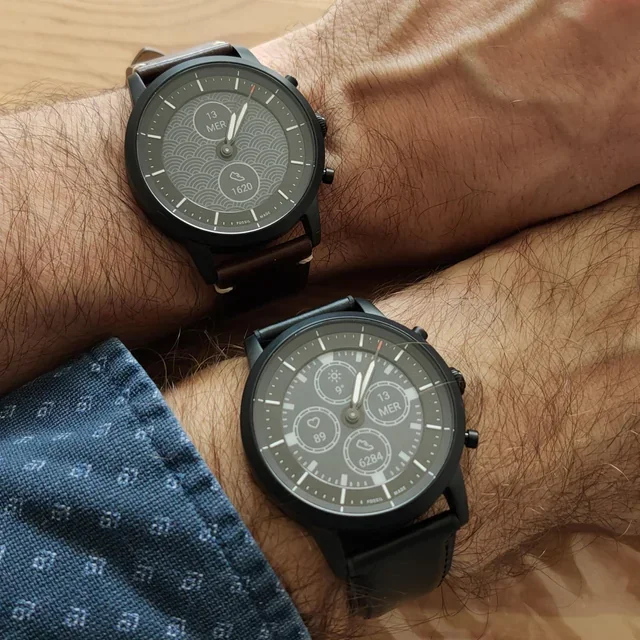
“Everything feels more deliberate and precise...there’s clear intention everywhere”
Kiwi
Overview | Opportunity
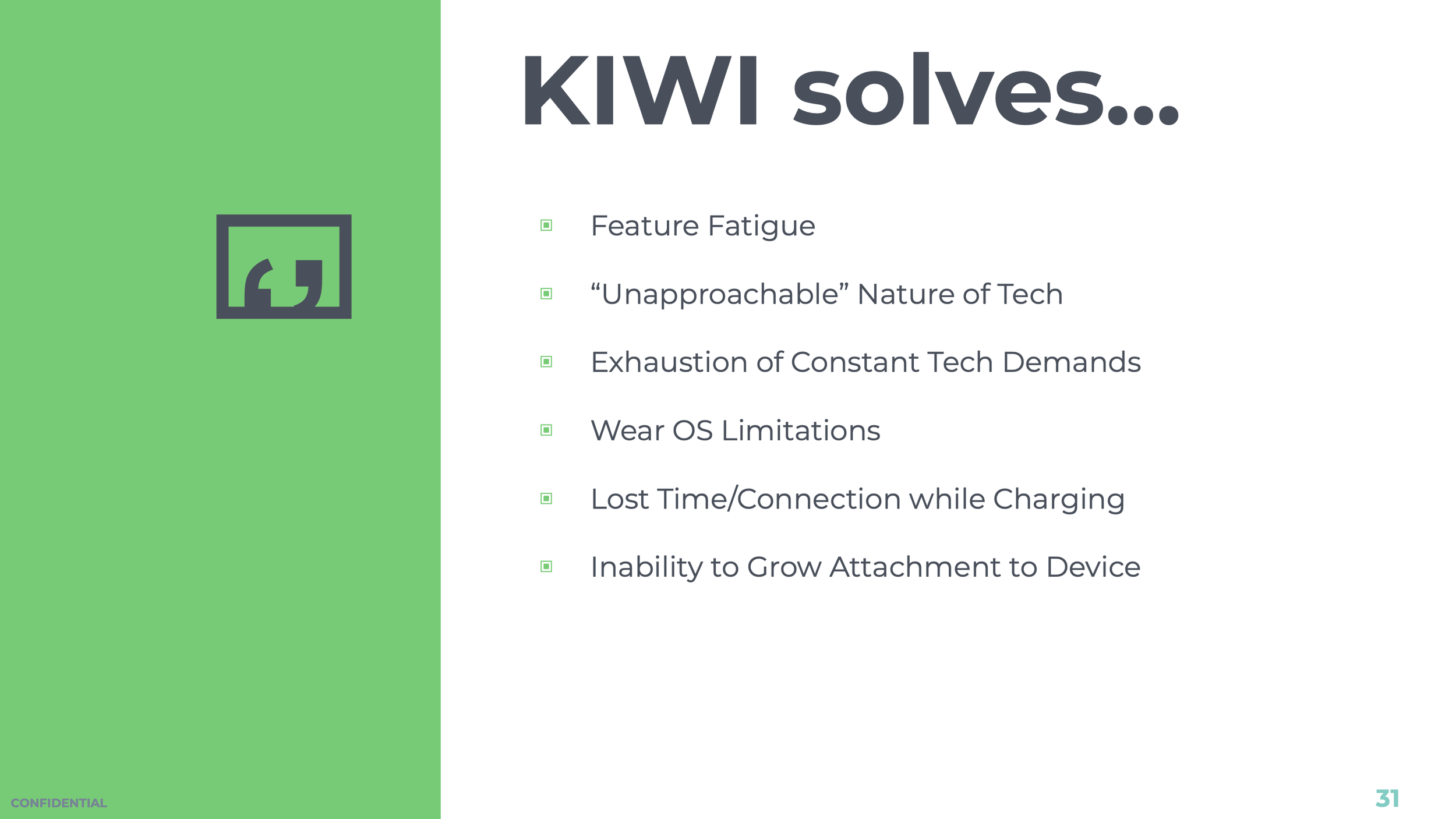
Market analysis continuously highlighted the lack of personal attachment to smartwatches as leading to an increasing disinterest in the category. By prioritizing features over the experience, making false promises about performance, and introducing a forced (technical support) lifespan, Fossil customers felt the brand no longer represented something meaningful and timeless.
Seeing an opportunity to address these core issues, I initiated work aimed at creating an affordable, approachable, “lifelong” smartwatch, in line with Fossil’s traditional watch identity.
Role
Project Manager / Lead UX Designer | Smartwatch Development
Project Management, Cross-Functional Alignment, User Flows, Wireframes, Prototyping & Testing, UI Design, Industrial Design
CHALLENGES
Strategic: Develop a cost-effective device uniquely suited to Fossil’s core customer base
Technical: Embrace MIP’s low pixel fidelity, slow refresh rate, and limited color palette
UX: Support essential features without requiring phone connectivity (or SW updates)
UX: Create highly intuitive and approachable interfaces for “tech illiterate” users
UI: Enable deep, user-driven customization of the style and feature implementation
ID: Refine to the smallest footprint and most minimal form factor as design foundation
Marketing: Address concerns from the growing contingent of frustrated users
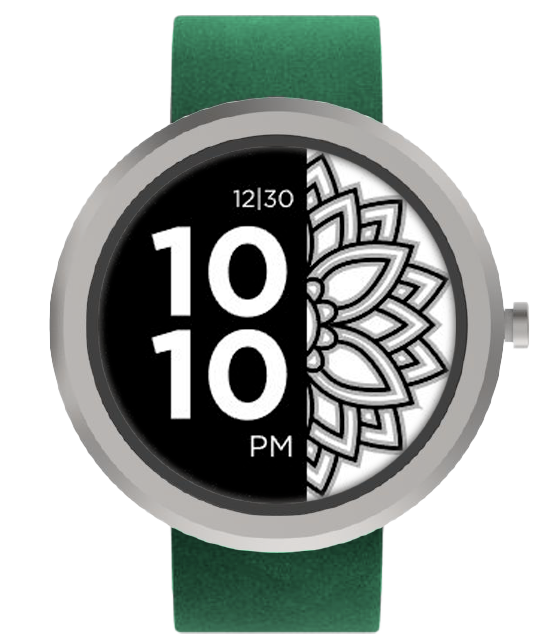
APPROACH
As an entirely self-driven project existing outside of the official product roadmap, I was responsible for every aspect of concept creation and validation. To account for every vital facet of the product for the pitch to leadership while continuing my primary responsibilities in parallel, I took each proof of concept phase step by step.
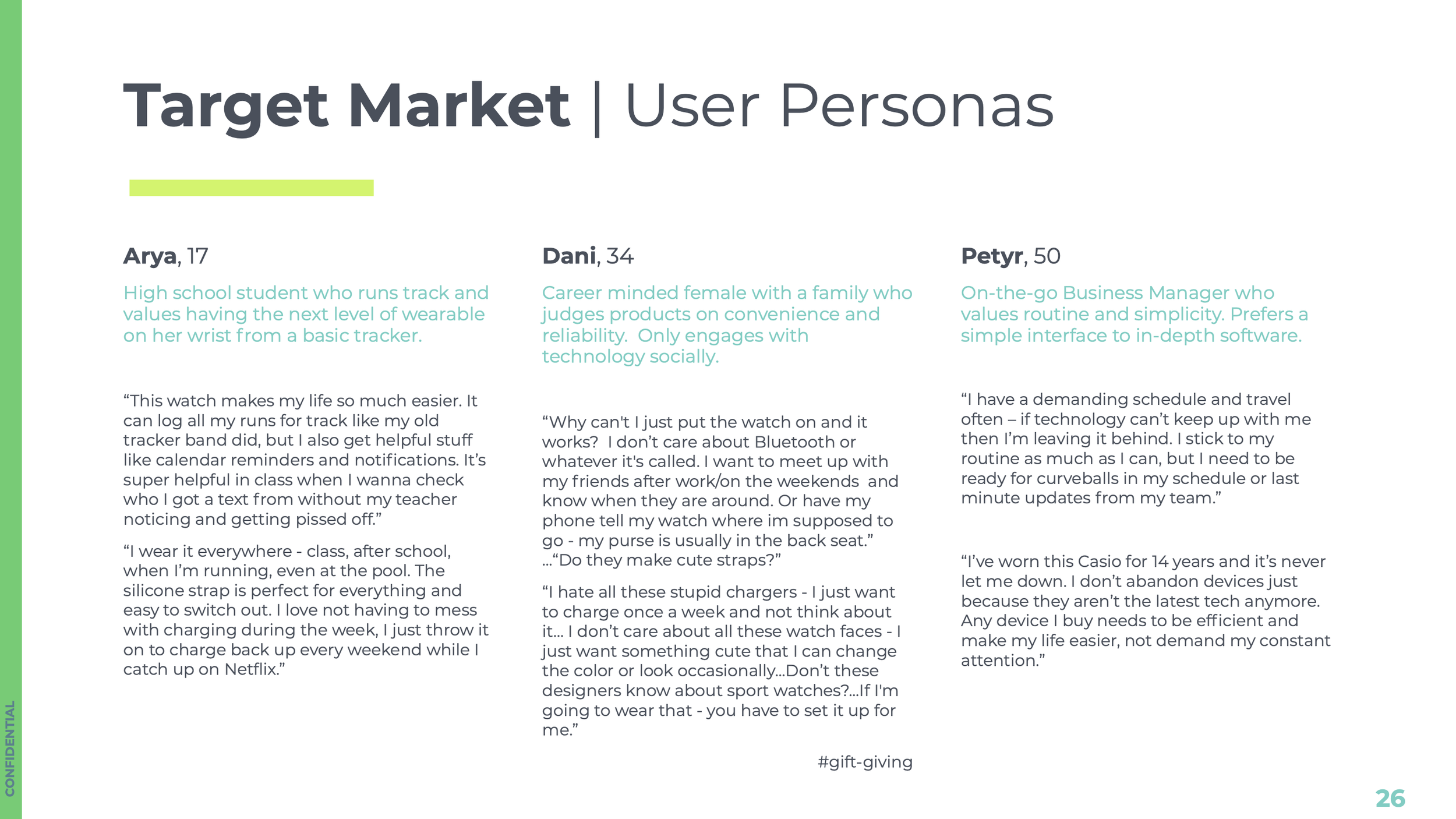
1 | Target Market
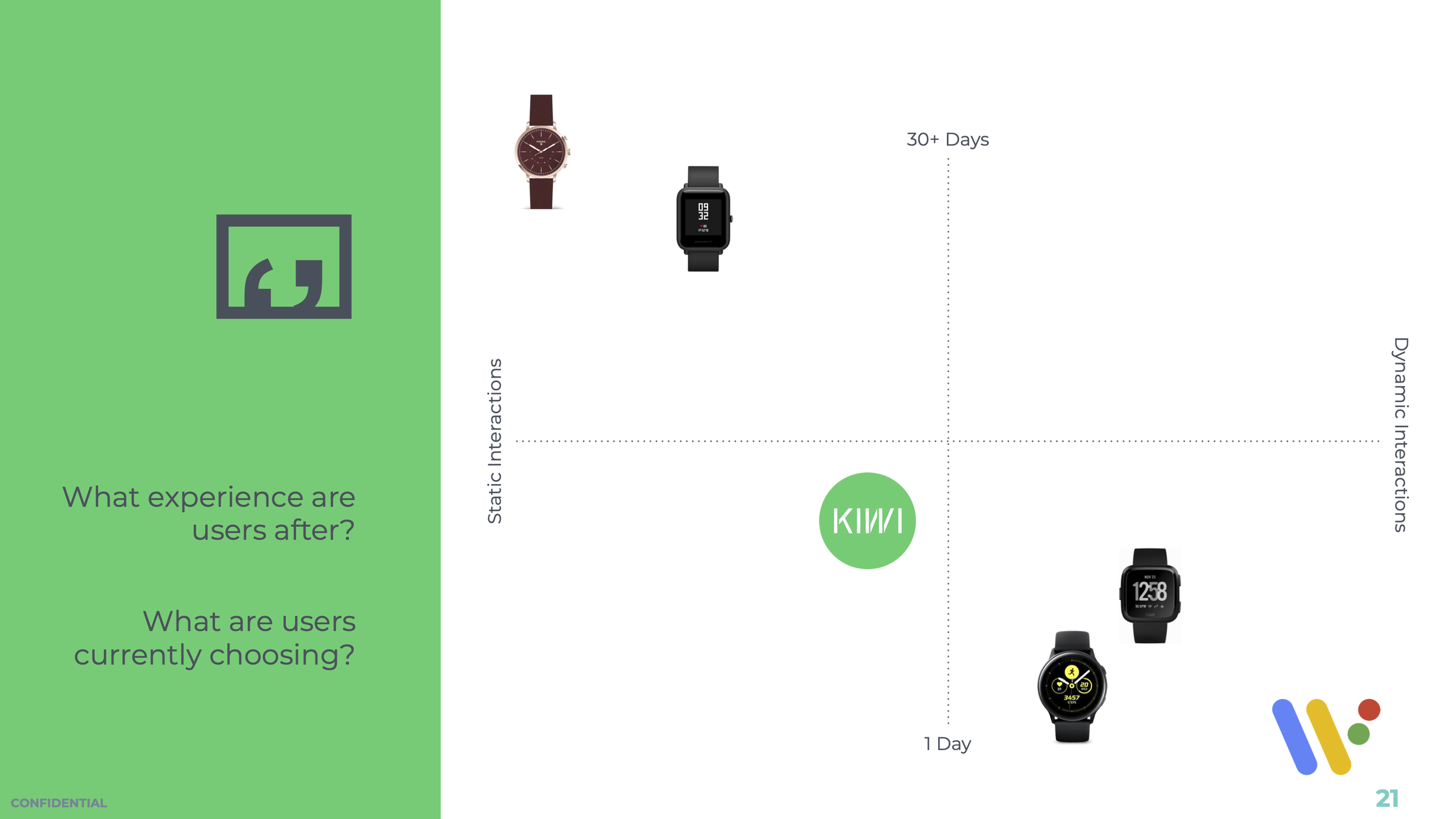
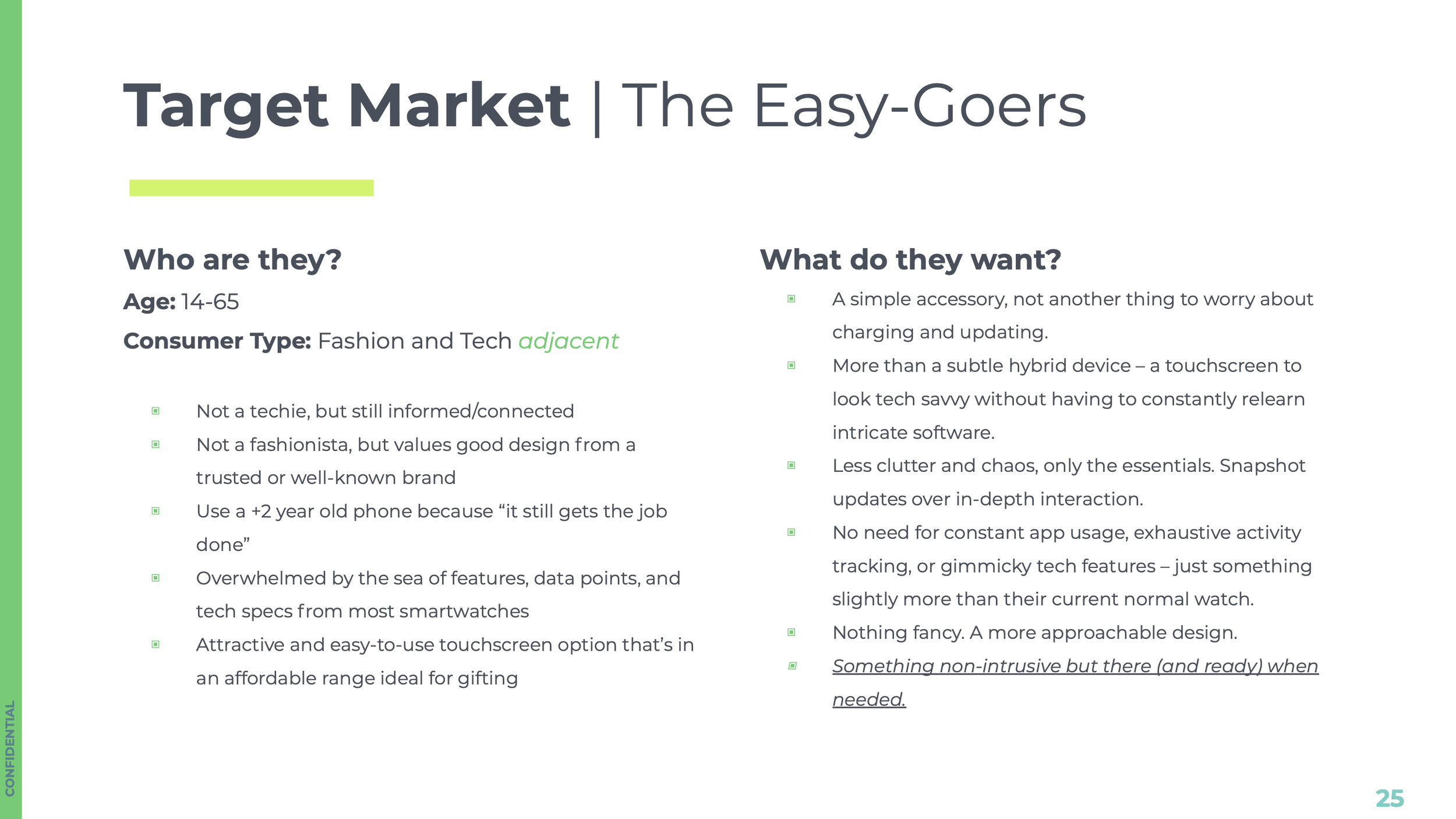
Conducted targeted user research to identify market gaps and define the product roadmap for an underserved 'easy-goer' demographic, focusing on resolving legacy smartwatch pain points.
2 | Essential & Enduring Technology
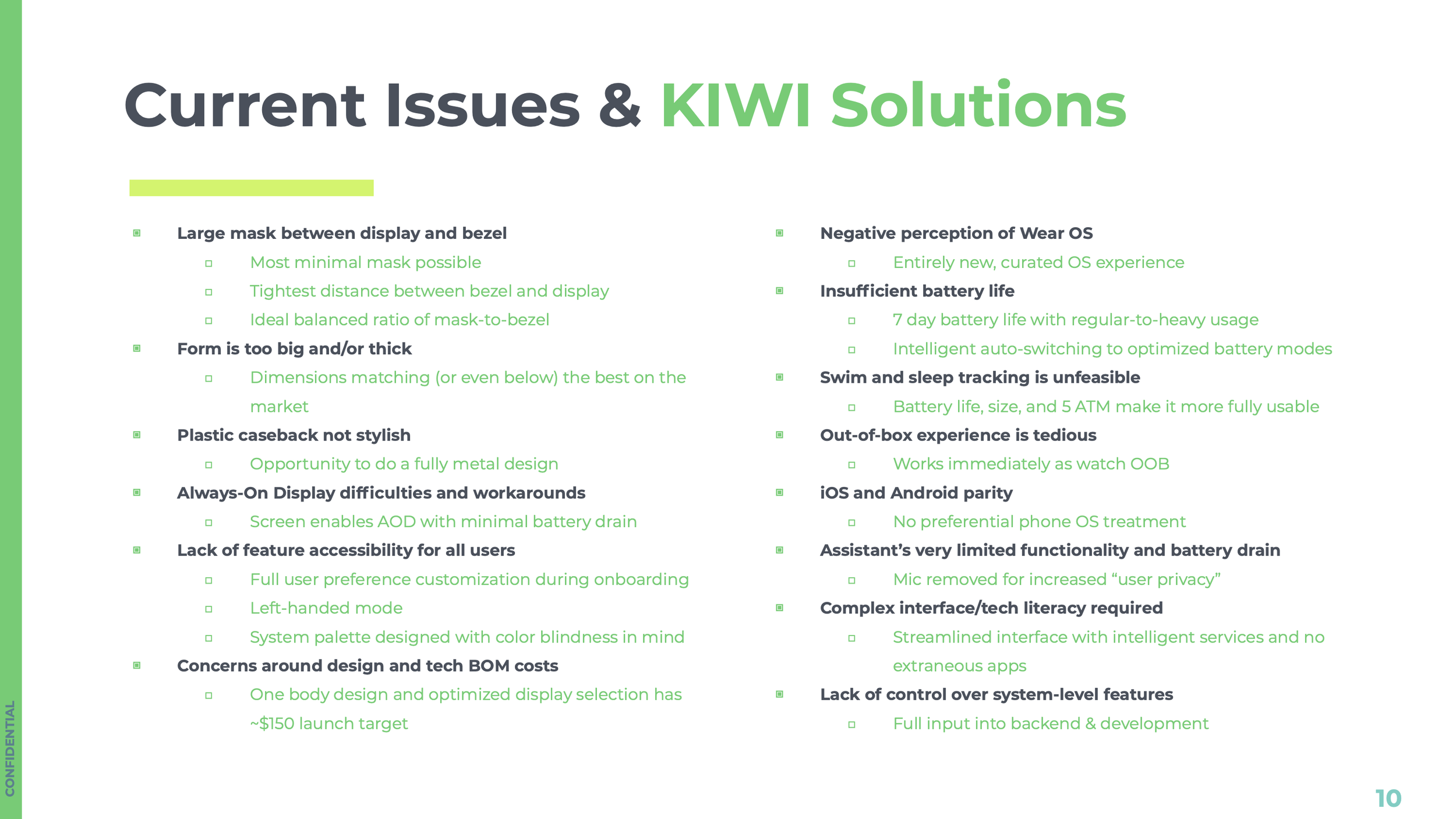
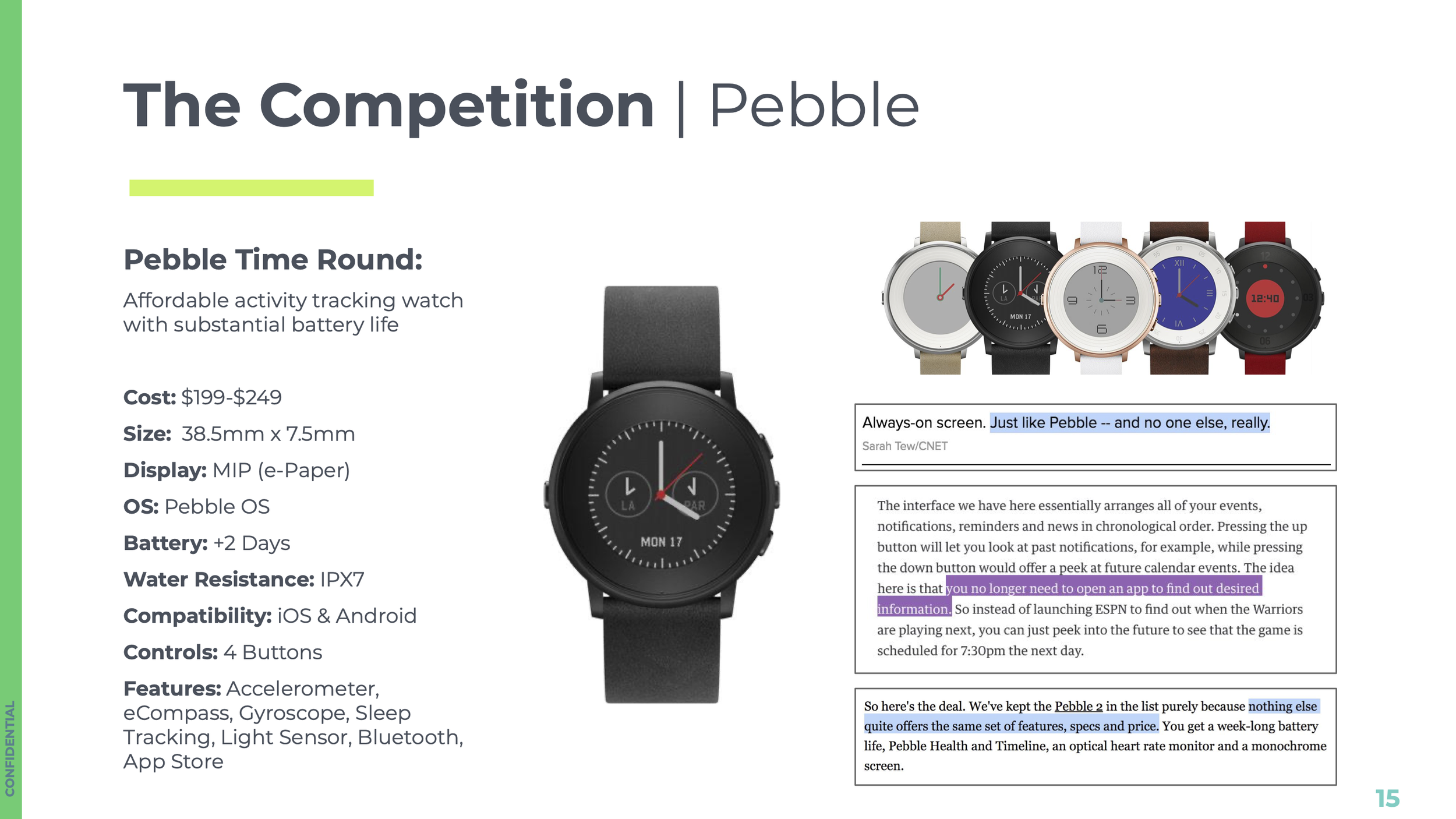
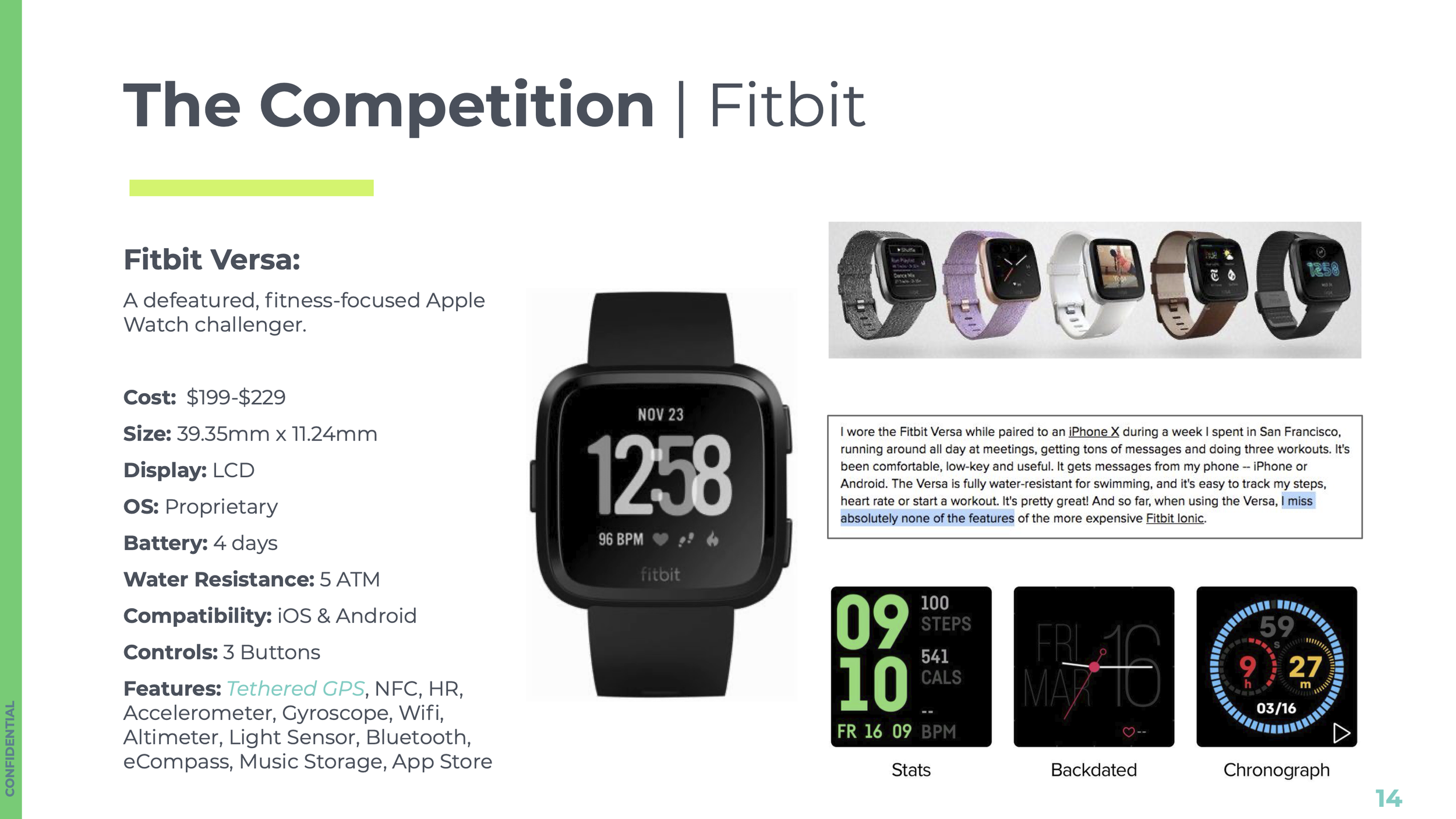
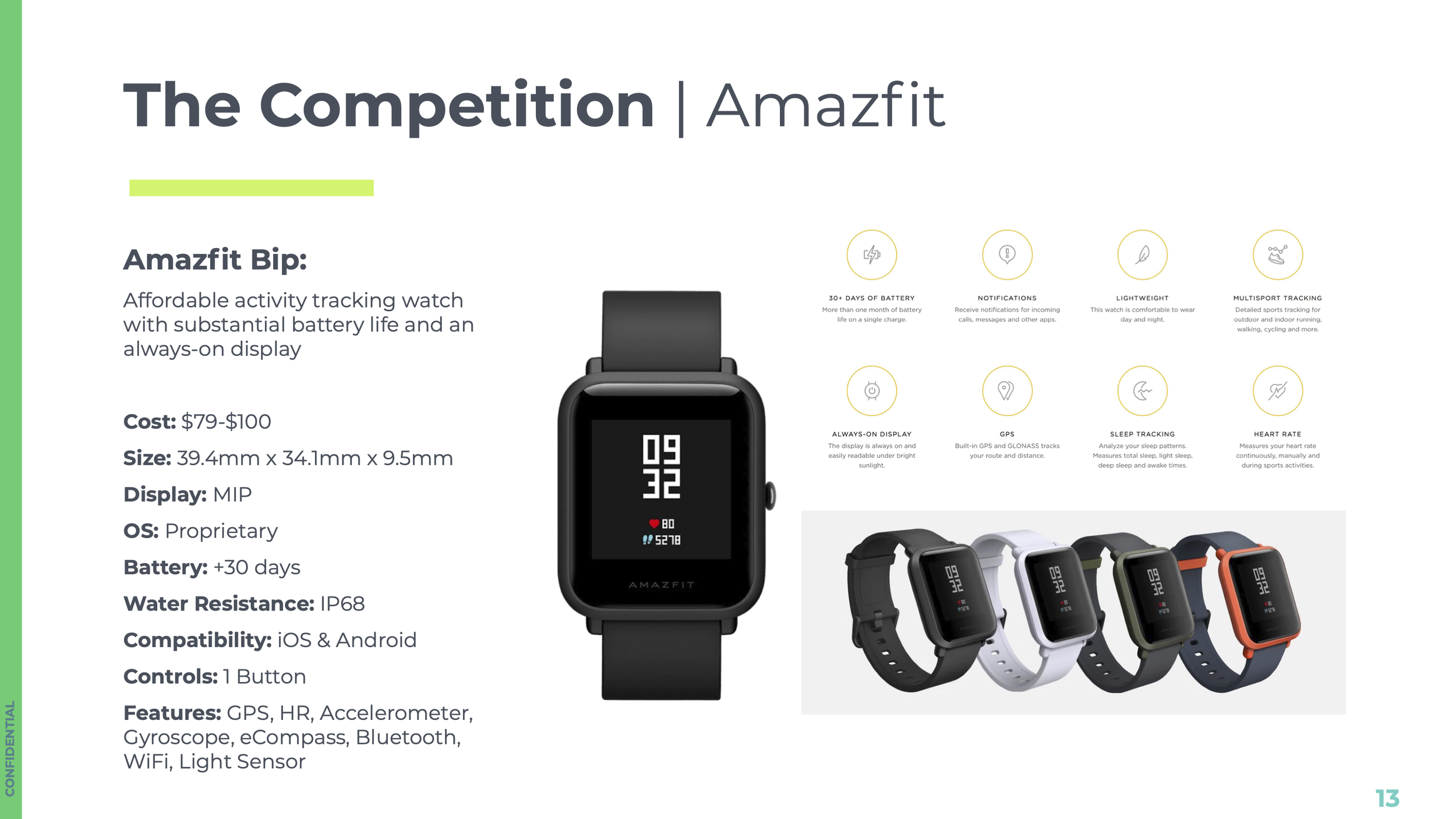
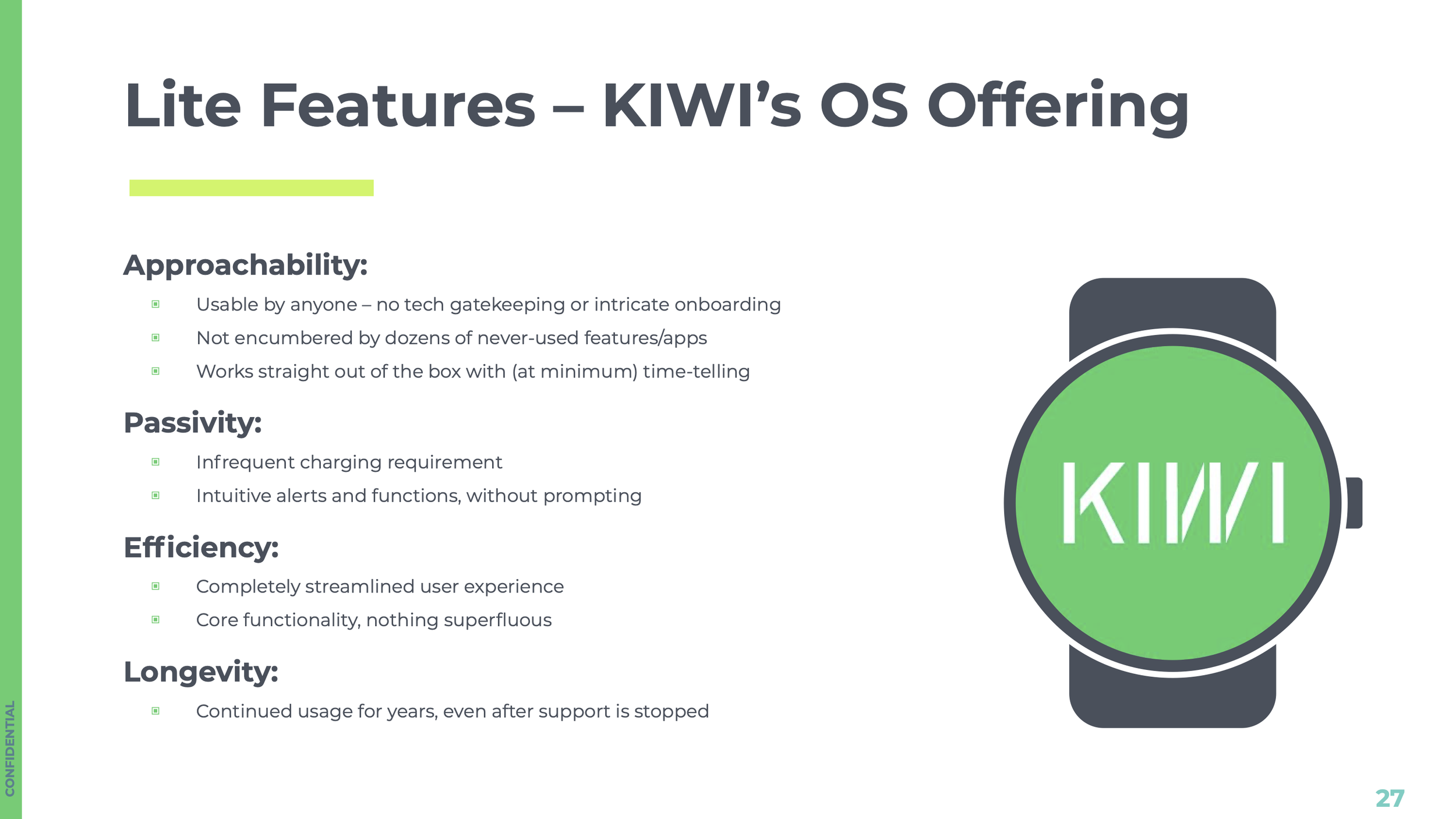
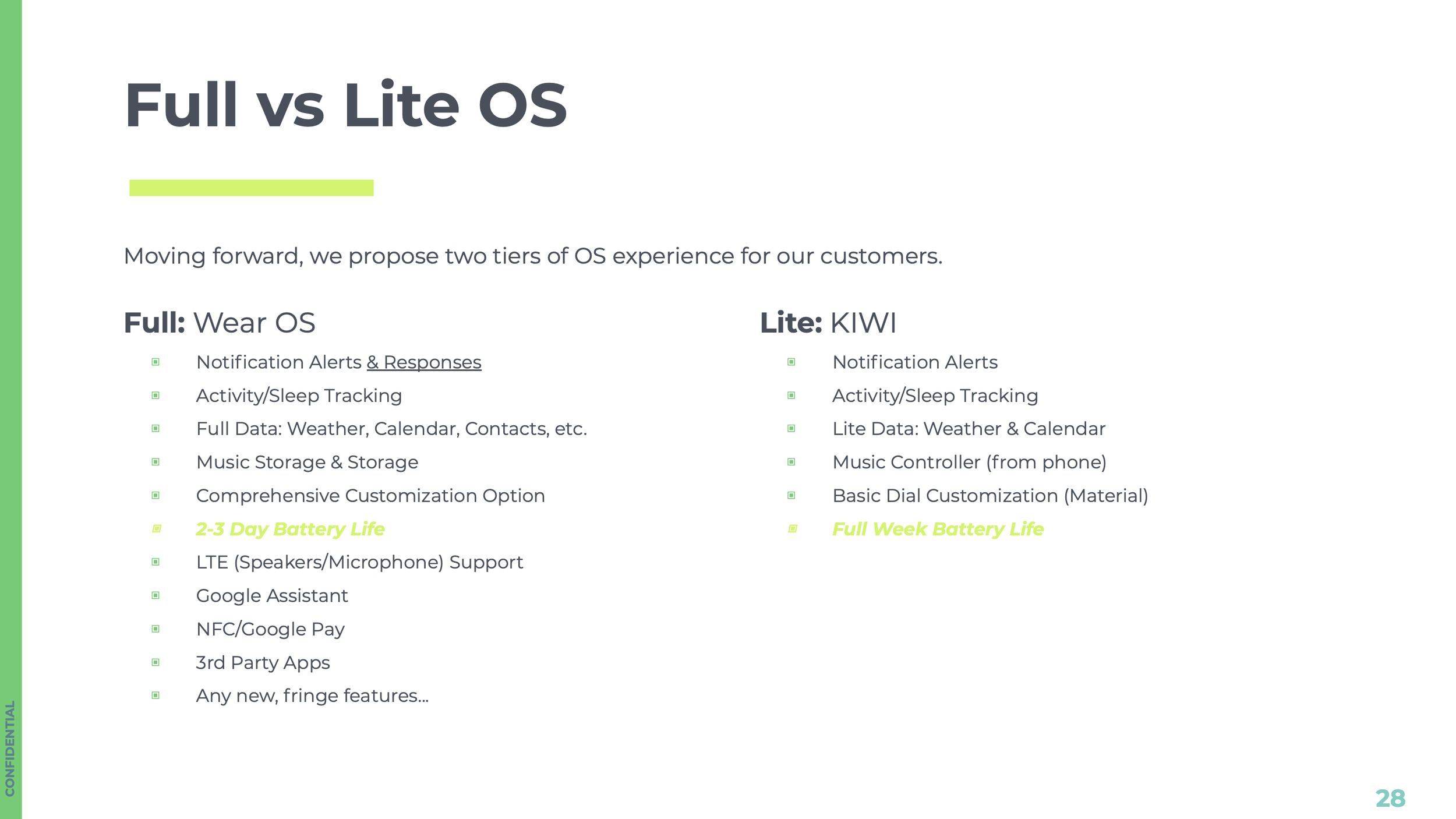
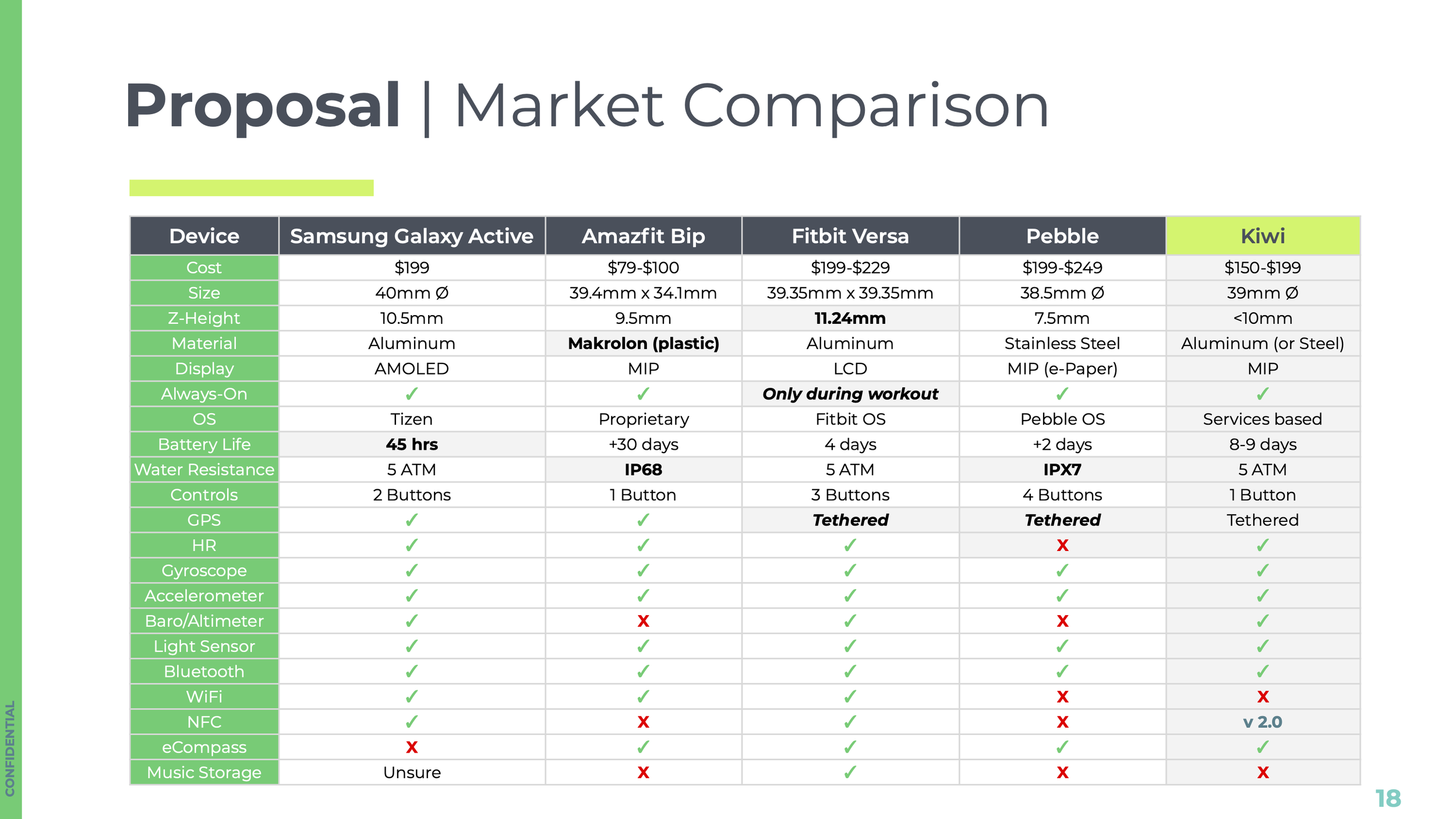
Led a feature-downselection process based on competitive benchmarking and technical capability, working with Hardware and Software Engineering to vet the impact of key features on device weight, cost, power budget, and long-term viability to ensure a full understanding of tradeoffs and performance impact.
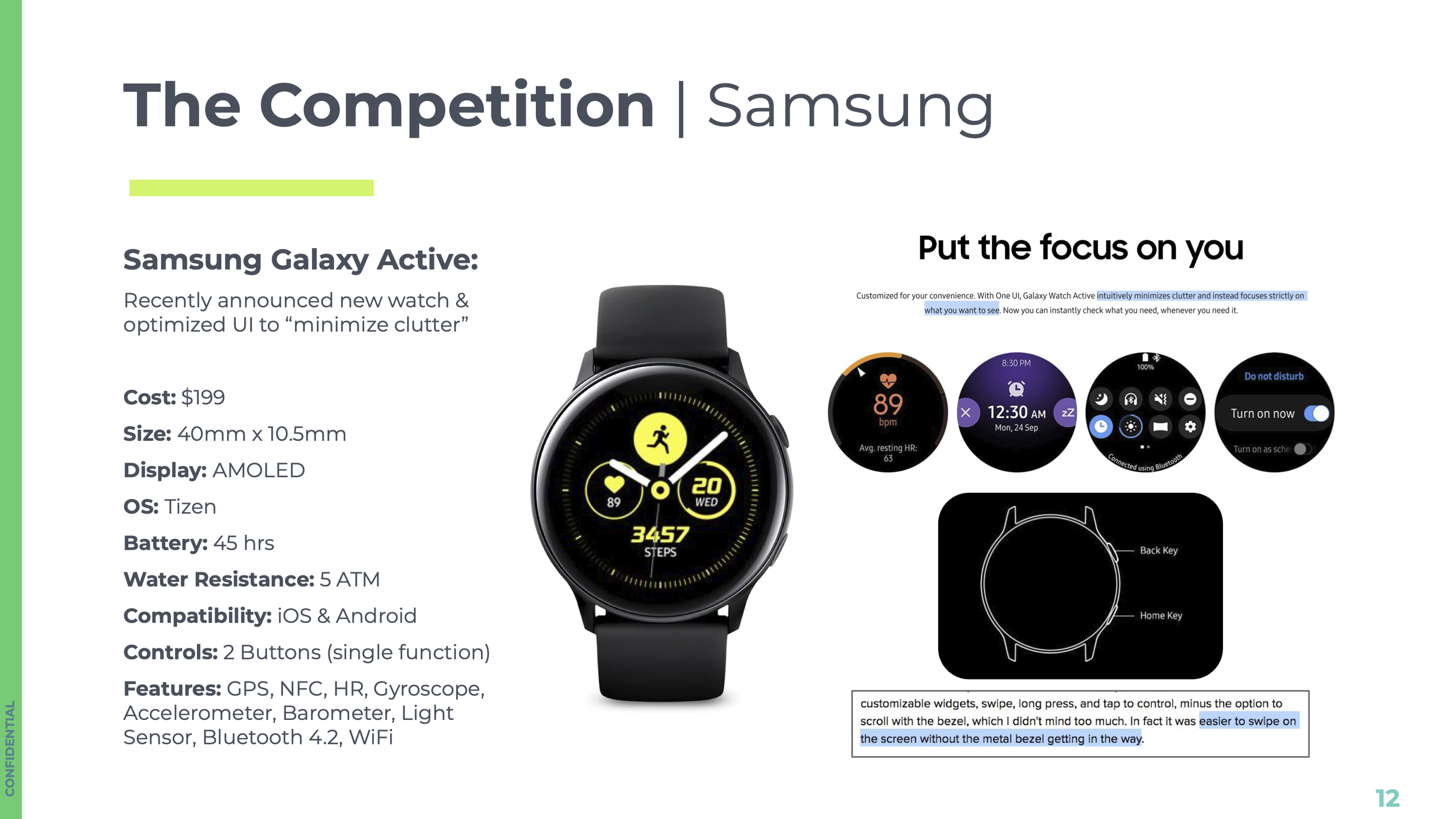
3 | Hardware Validation
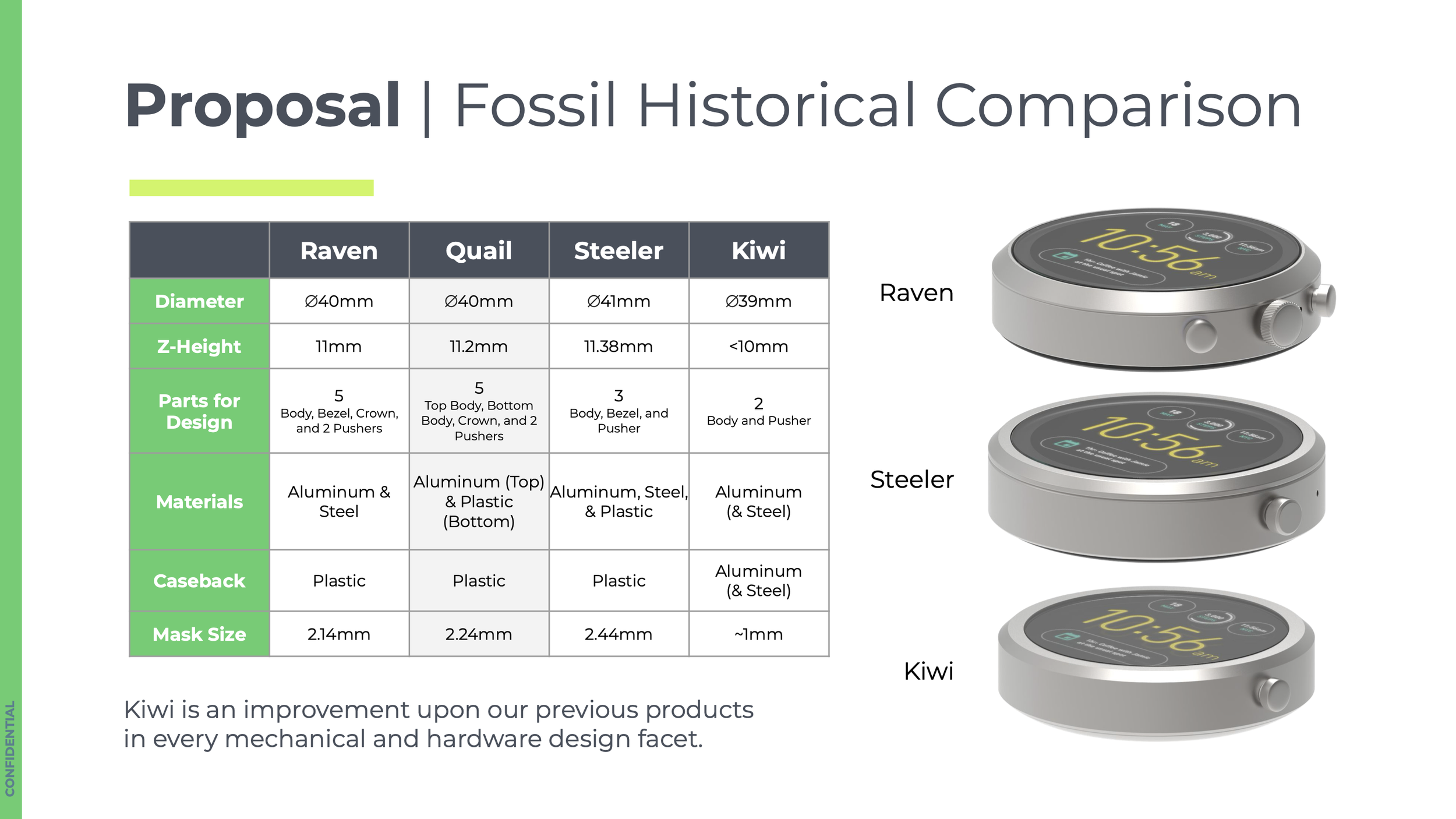
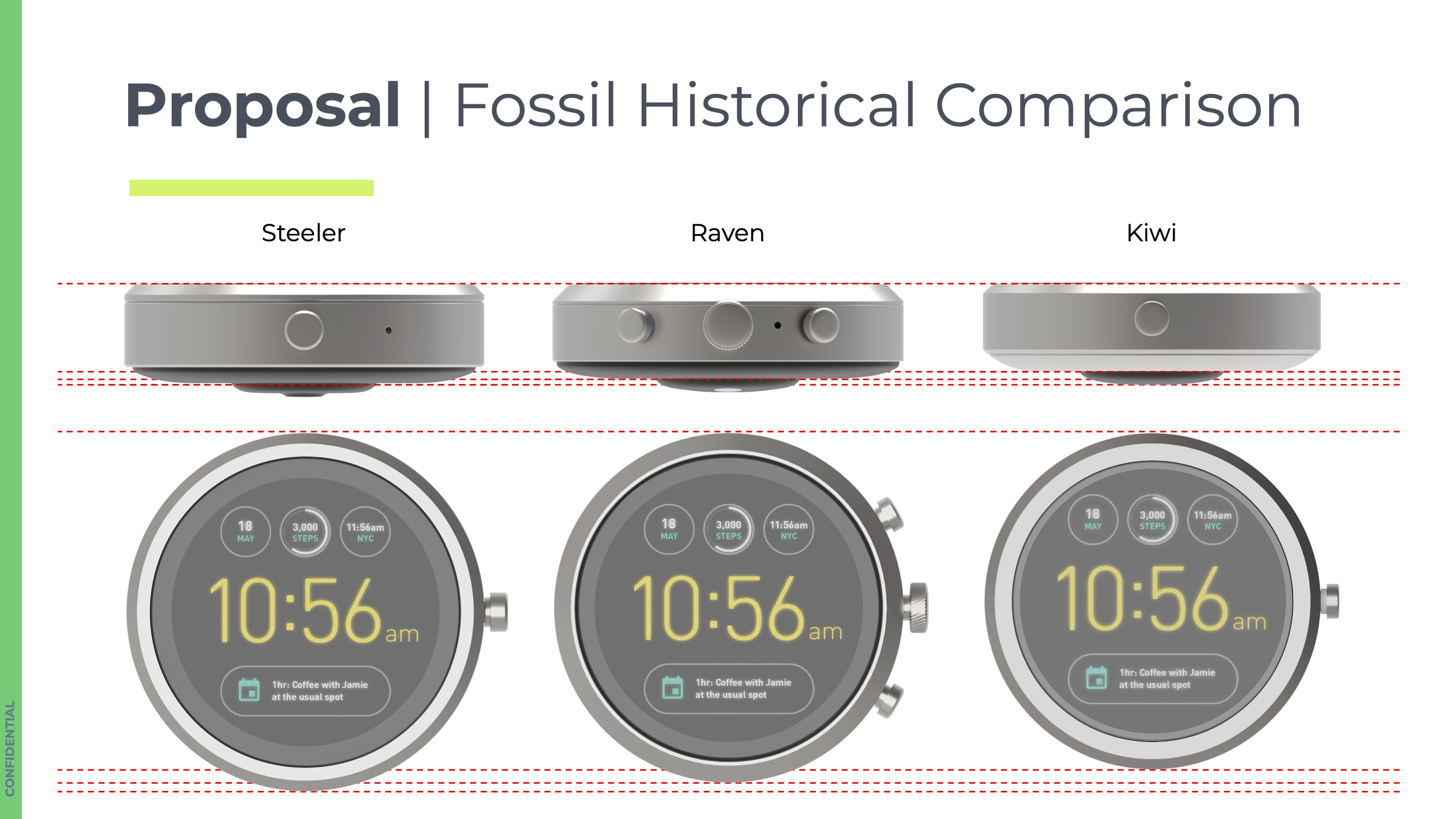
Engineered physical volume models to verify manufacturability and streamline internal component layouts, successfully reducing device footprint compared to legacy hardware platforms.
4 | UX MVP
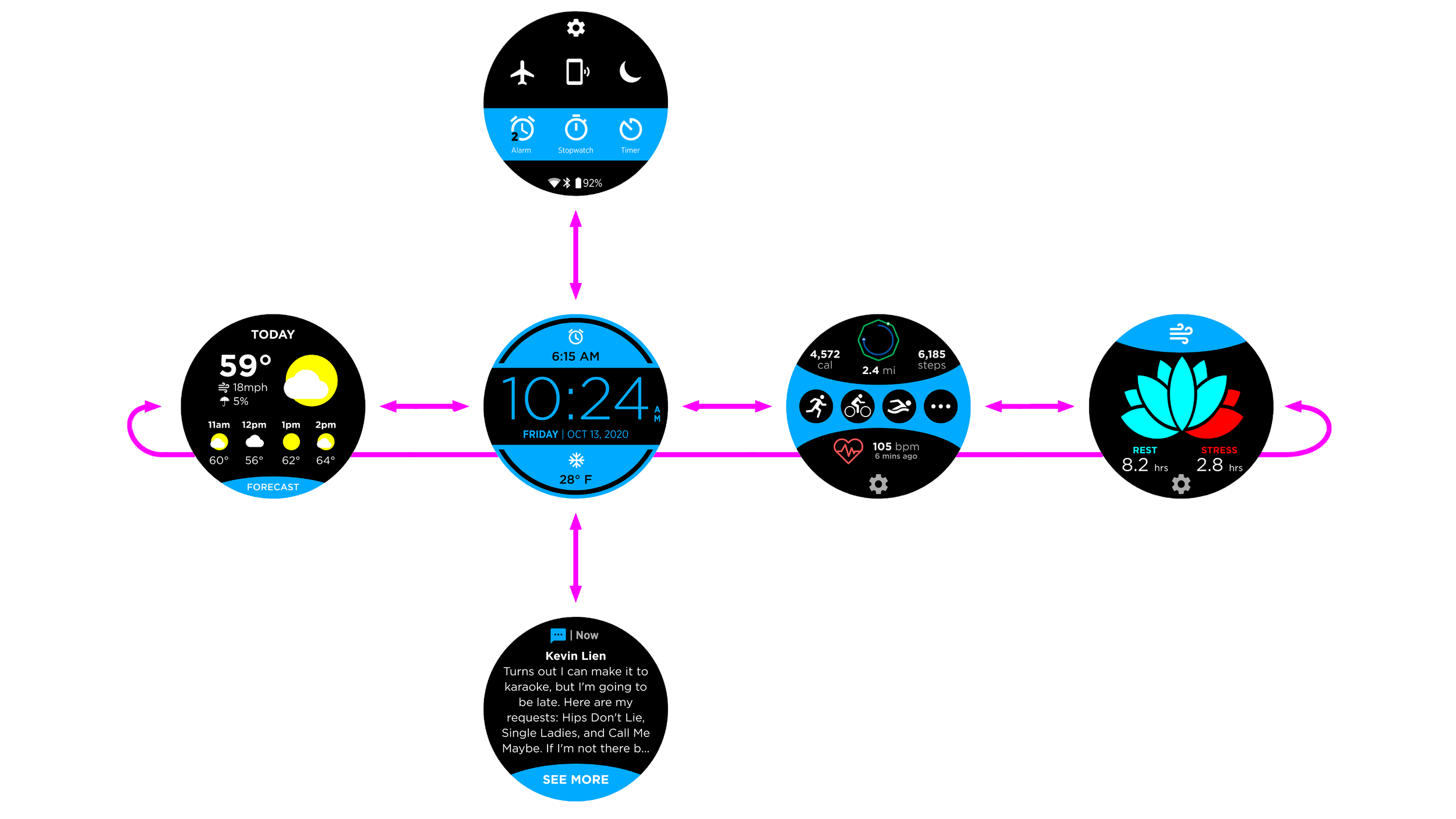
Leveraging a deep understanding of the chosen technical constraints, I built out a minimalist UX framework designed for standalone functionality regardless of external updates or support, expanding capabilities only in response to user-validated requirements.

5 | Adaptive UI
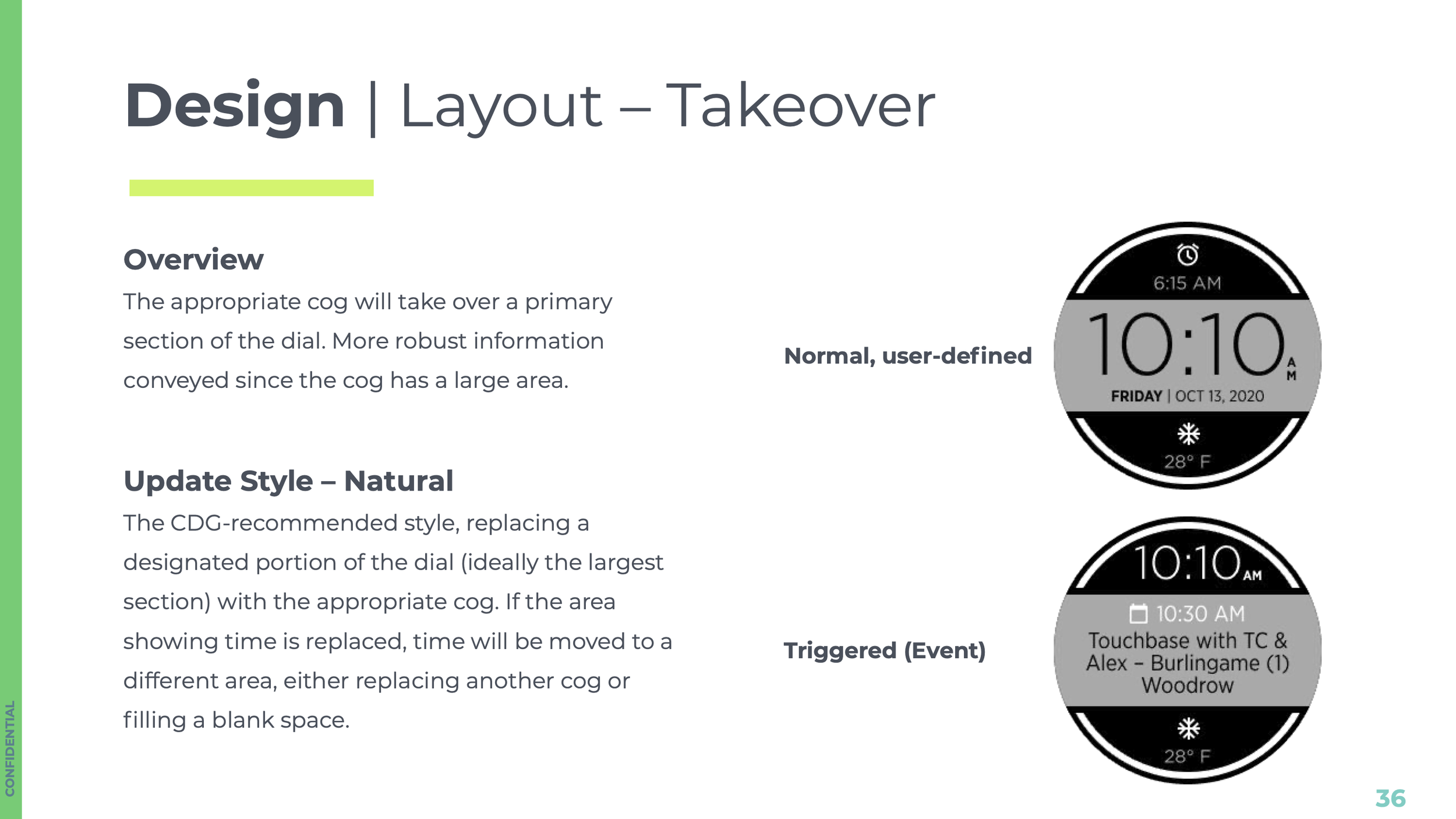
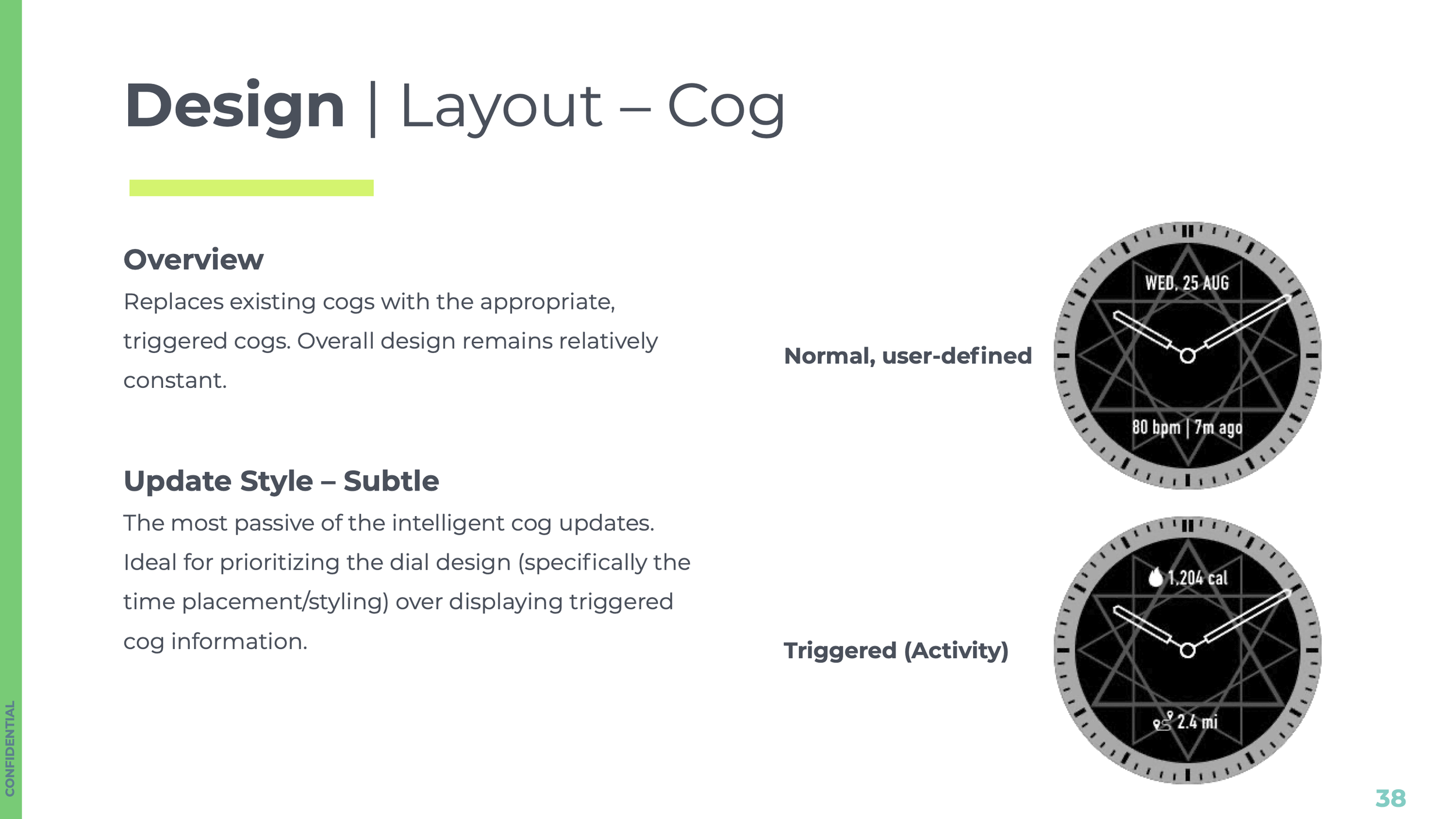
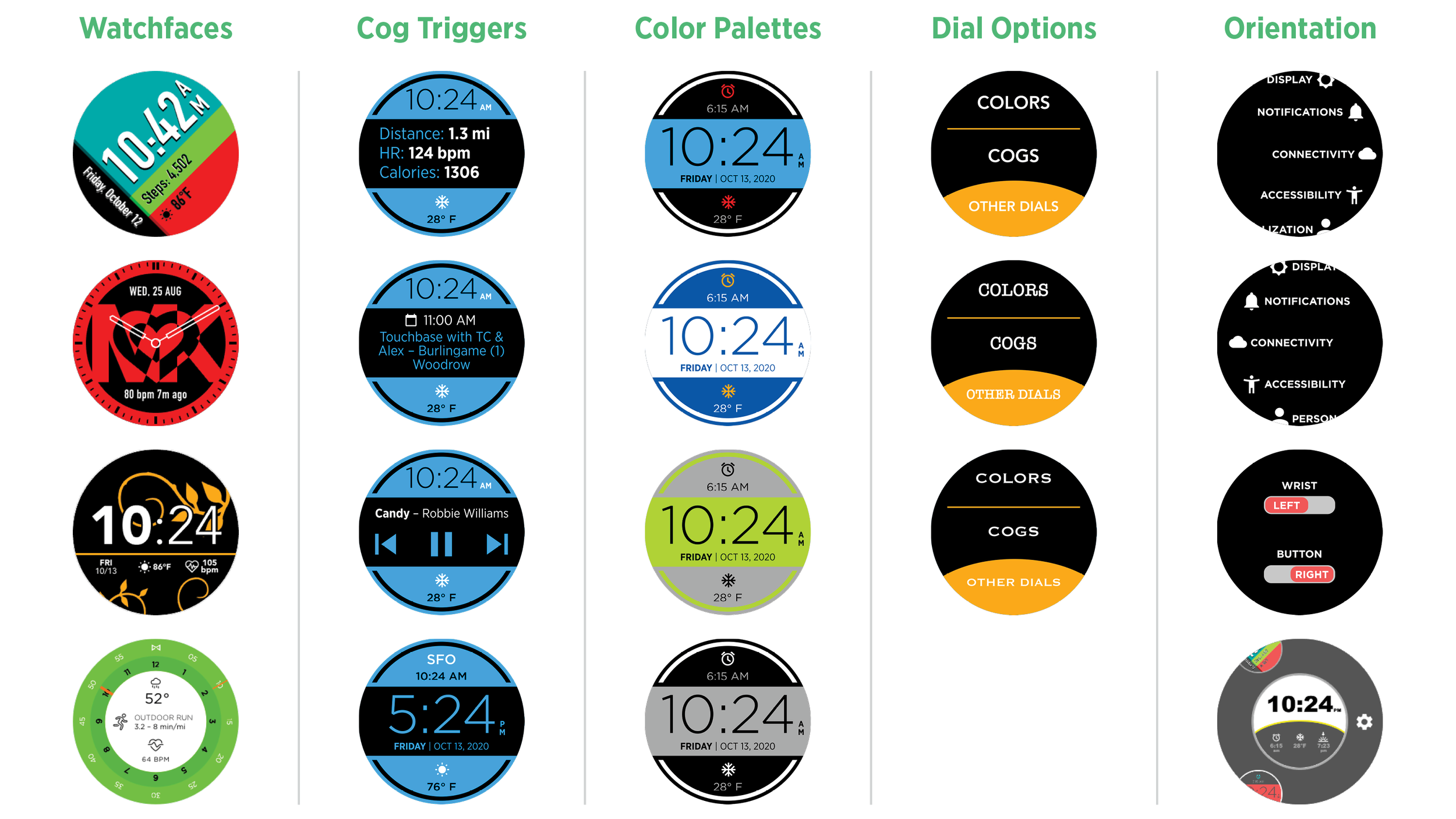
Architected a contextually adaptive watch face system that utilizes dynamic 'cogs' to surface real-time data, reducing navigation friction by leveraging reliably identifiable triggers such as activity detection, calendar events, media playback, and geolocation.

6 | UX Validation
Conducted iterative testing on live hardware to calibrate the UI for 6-bit color constraints and physical display dimensions, optimizing layout and asset sizing to enhance information density and user comprehension.

7 | Cost–Volume–Profit Analysis
Partnered with Engineering and Pricing teams to conduct a comprehensive financial analysis, evaluating BOM costs, R&D investment, and market positioning to define the strategic business impact of the Kiwi project.
8 | Proposal Pitch
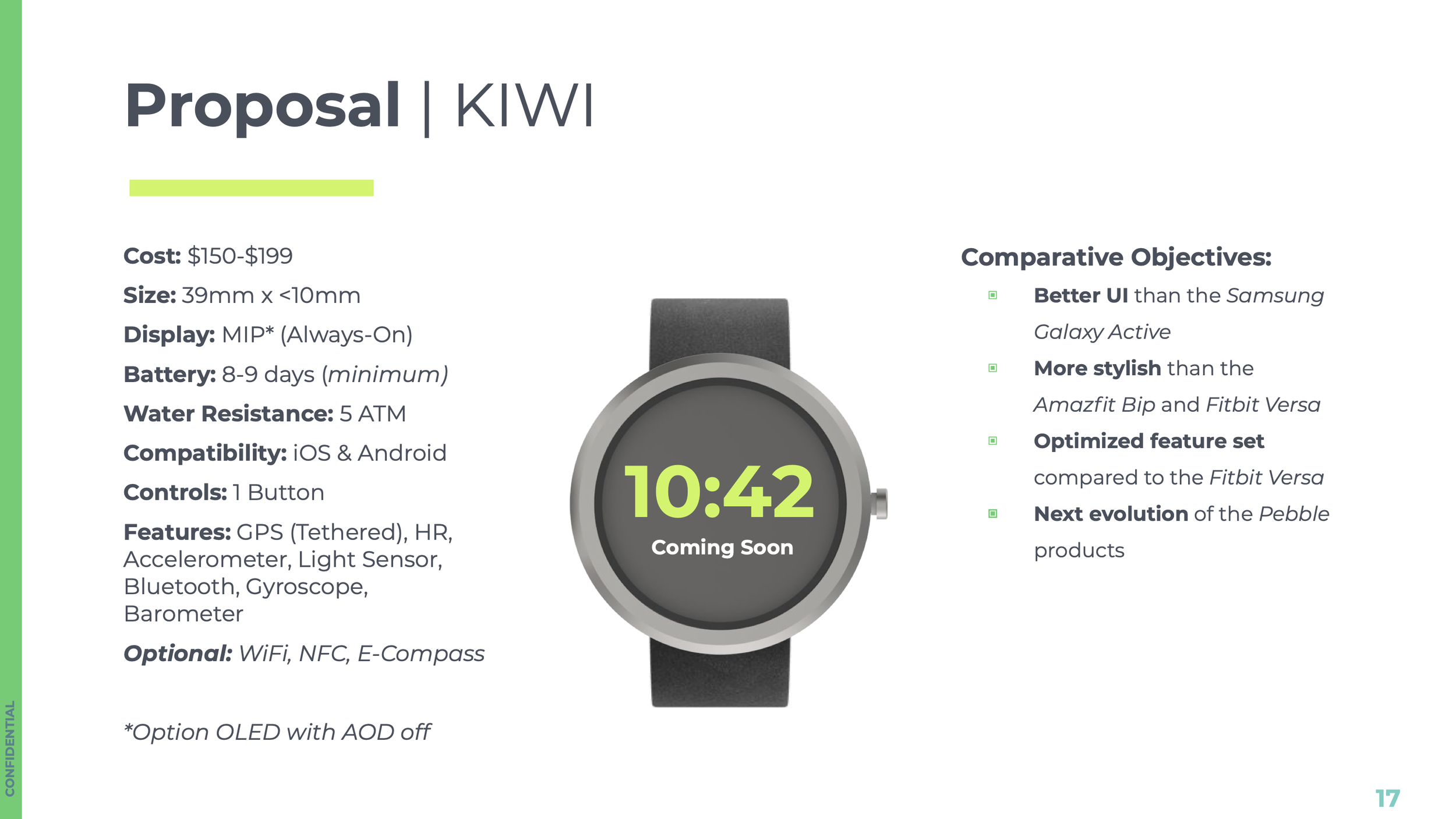
Presented the product proposal to Fossil leadership, leveraging market analytics, cross-functional alignment (Design/Engineering), and – most importantly – the working prototype to secure full project approval and roadmap validation.
IMPACT
Fossil leadership lauded the engineering-vetted proposal as “essential" to Fossil’s long term success in the smartwatch market. Design of the OS and hardware continued, awaiting formal roadmap commitment, until the project was deprioritized due to bandwidth-hungry issues on existing platforms.
“If we aren’t making this a year from now, we’ve failed.”